


Russia has proposed developing a new railway corridor that could eventually connect with India, potentially creating an alternative route for trade and reducing dependence on strategically important maritime shipping lanes.
The proposal comes amid growing concerns over disruptions and security risks affecting major international trade routes, particularly around the Strait of Hormuz.
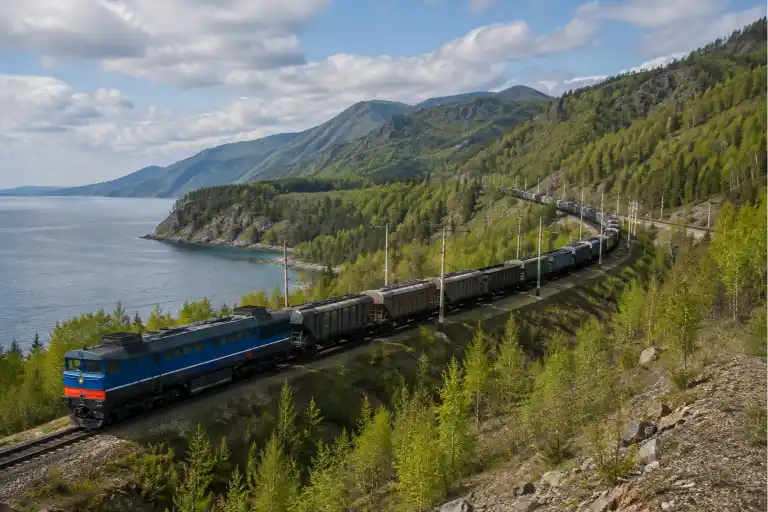
A rail connection linking Russia with India could provide an additional overland route for the movement of goods, helping improve supply-chain resilience and diversify existing trade channels.
The proposed corridor is also expected to complement India’s broader efforts to strengthen connectivity with Russia and Central Asia. Better rail infrastructure could support the movement of commodities, industrial goods and other cargo while reducing dependence on sea routes for certain categories of trade.
For Russia, the project could provide another route to access the Indian market. For India, it could offer greater diversification in trade logistics and potentially reduce exposure to disruptions affecting major maritime chokepoints.
The proposal is particularly significant given the strategic importance of the Strait of Hormuz, through which a substantial share of global energy shipments passes. Any prolonged disruption in the region can affect shipping costs, delivery timelines and energy supplies.
A dedicated rail corridor would not replace maritime trade, but it could provide an additional option during periods of geopolitical uncertainty or disruption.
The initiative also reflects the broader push by India and Russia to expand connectivity and economic cooperation. Existing initiatives such as the International North-South Transport Corridor (INSTC) are already aimed at improving multimodal connectivity between India, Iran, Russia and Europe.
If developed, the proposed railway route could add another layer to this emerging connectivity network and strengthen India’s access to alternative trade corridors.
However, building a new international rail corridor would require significant infrastructure investment, coordination between multiple countries and resolution of logistical and geopolitical challenges.
For now, the proposal remains an early-stage initiative. But if it moves forward, it could become an important component of India’s long-term strategy to diversify trade routes, strengthen supply chains and deepen connectivity with Russia and the wider Eurasian region.
