


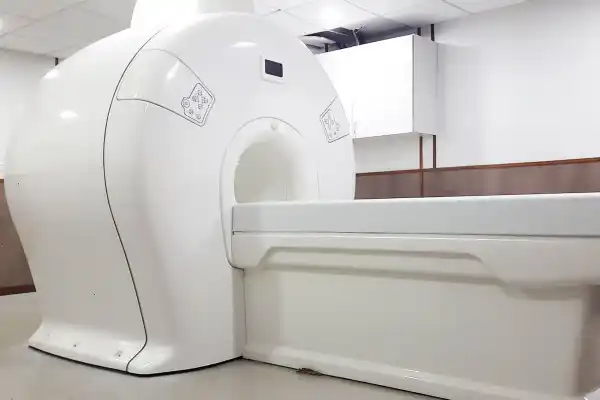
Bengaluru-based deeptech startup Voxelgrids has developed India’s first indigenously built MRI machine, marking a major milestone in the country’s medical technology ecosystem. Led by founder and CEO Arjun Arunachalam, the company has spent years designing an MRI scanner from the ground up, reducing India’s dependence on expensive imported imaging systems.
The journey, however, was far from easy. During the COVID-19 pandemic, Voxelgrids faced severe financial challenges and even turned down a buyout offer from a multinational company to protect its homegrown technology. The startup survived after receiving crucial backing from Tata Trusts, under the leadership of the late Ratan Tata, and later from Zoho founder Sridhar Vembu, enabling it to continue developing its indigenous MRI platform.
Unlike conventional imported MRI systems, Voxelgrids’ scanner has been engineered to be around 40% cheaper, 50% lighter and significantly more energy-efficient. The company has redesigned the machine using fewer cables, lower power consumption and the option to use nitrogen instead of costly imported helium, helping reduce manufacturing and operating costs. These innovations could eventually lower MRI scan prices in India by up to 70%, making advanced diagnostics more affordable and accessible.
India currently imports MRI equipment worth nearly ₹3,500 crore annually, with most systems supplied by a handful of global manufacturers. By developing a fully indigenous alternative, Voxelgrids aims to strengthen India’s medtech manufacturing capabilities while expanding access to advanced diagnostic imaging across smaller cities and rural regions. The achievement also highlights the growing role of Indian deeptech startups in building globally competitive healthcare technologies.
