


New York City Mayor Zohran Mamdani has drawn on the Hindu epics Ramayana and Mahabharata to explain his views on family relationships, moral responsibility and the importance of placing duty above personal loyalty.
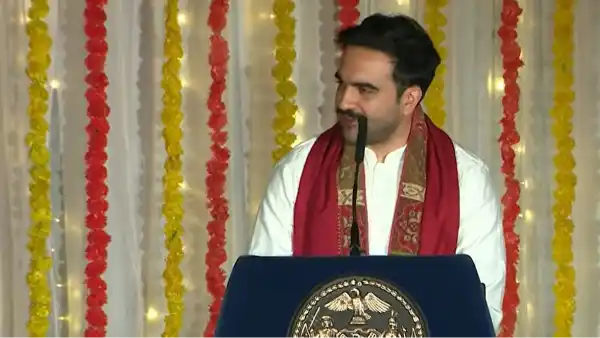
Speaking at a Diwali-related event in New York, Mamdani described the two epics as offering different perspectives on human relationships. He said the Ramayana portrays the kind of brother, wife, husband and friend people aspire to be, while the Mahabharata reflects the complexities and contradictions found in real families.
“The Ramayana shows us the brother, wife, husband and the friend we desire to be. The Mahabharata shows us what families are really like, where even the bravest heroes and wisest gods stumble and where one’s dharma must come before one’s loyalty,” he said.
Ramayana presents ideals of relationships
Mamdani’s remarks highlighted the Ramayana as a source of ideals for family and personal relationships. Its characters and their choices are often discussed in the context of commitment, responsibility, sacrifice and relationships.
His observation focused on the values people seek to practise in their own lives, including the qualities of an ideal sibling, partner and friend.
Mahabharata reflects family complexities
In contrast, Mamdani said the Mahabharata offers a more complicated picture of family life. The epic explores conflicts involving relatives, competing obligations, difficult decisions and moral dilemmas.
Its characters, including respected heroes and wise figures, are shown facing situations in which personal relationships and ethical responsibilities can come into conflict.
Why dharma should come before loyalty
A key part of Mamdani’s message was the importance of dharma over personal loyalty. Dharma broadly refers to moral duty, righteousness and the responsibility to act in accordance with ethical principles.
His remarks suggest that loyalty to family or individuals should not prevent people from recognising injustice or doing what they believe is right.
The distinction between the two epics, as described by Mamdani, places the ideal of relationships alongside the realities of human behaviour. His comments have brought renewed attention to the relevance of India’s classical literature and its ethical themes in contemporary conversations about family and society.
