


Maruti Suzuki is expanding its renewable energy strategy with plans to invest ₹561 crore to establish four biogas plants in India, according to company chairman R.C. Bhargava.
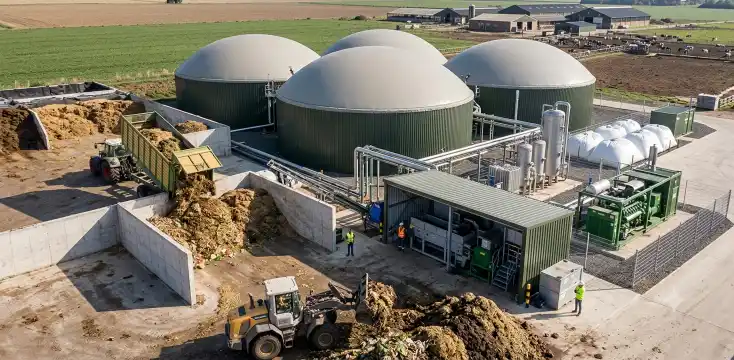
The investment is part of the automaker’s broader effort to explore cleaner energy sources and reduce its environmental footprint. The proposed plants are expected to support the production of biogas from agricultural and organic waste, creating an alternative source of renewable energy.
The move comes as Maruti Suzuki takes a broader approach to India’s transition towards cleaner mobility. Rather than focusing exclusively on electric vehicles, the country’s largest passenger carmaker has been pursuing a mix of technologies including CNG, hybrid vehicles, bio-CNG and other alternative fuels.
Biogas and bio-CNG can play a role in reducing dependence on conventional fossil fuels while also providing a productive use for agricultural waste. For a company with a large manufacturing and vehicle ecosystem, developing alternative energy sources could also contribute to its long-term sustainability goals.
The proposed ₹561 crore investment highlights the growing interest among major Indian automakers in renewable energy and circular-economy solutions. Converting waste into fuel can potentially address two challenges at once, managing agricultural waste and creating cleaner energy.
Maruti Suzuki’s biogas push also reflects the wider shift in India’s automotive industry, where manufacturers are exploring multiple pathways to reduce emissions. While electric vehicles are gaining momentum, alternative fuel technologies remain important as the country works towards a more diversified and sustainable mobility ecosystem.
The four proposed plants could therefore become an important component of Maruti Suzuki’s long-term clean-energy strategy, complementing its investments in alternative-fuel vehicles and other sustainability initiatives.
