


India’s nationwide rollout of E20 (20% ethanol-blended petrol) is part of a broader global movement towards cleaner and more energy-secure transportation. Countries including Brazil, the United States, Thailand, Canada and France adopted ethanol blending years earlier, using different blend levels and policies tailored to their domestic energy and agricultural priorities.
Brazil remains the global benchmark, with high ethanol blends supported by millions of flex-fuel vehicles capable of running on varying ethanol concentrations. The United States has long promoted E10 nationwide while offering higher blends such as E85 for compatible vehicles. Thailand, Canada and France have also integrated ethanol into their fuel mix to reduce emissions and dependence on imported fossil fuels.
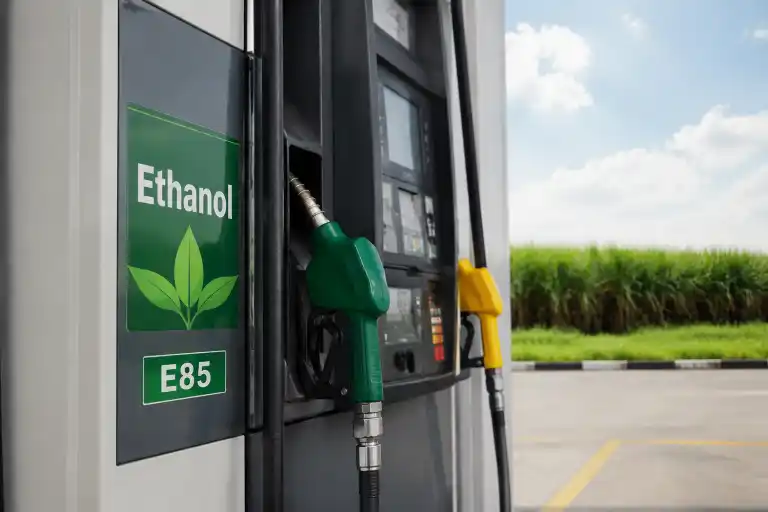
India’s ethanol programme aims to reduce crude oil imports, improve energy security, cut carbon emissions and create additional income opportunities for farmers through biofuel production. The country’s rapid expansion of ethanol blending has made it one of the world’s leading adopters of biofuel-powered mobility.
