


Iranian President Masoud Pezeshkian spoke with Prime Minister Narendra Modi over the phone on recent developments in West Asia and the path ahead, according to an official statement from the Indian government. The conversation comes amid ongoing regional tensions and renewed diplomatic activity following recent ceasefire-related understandings.
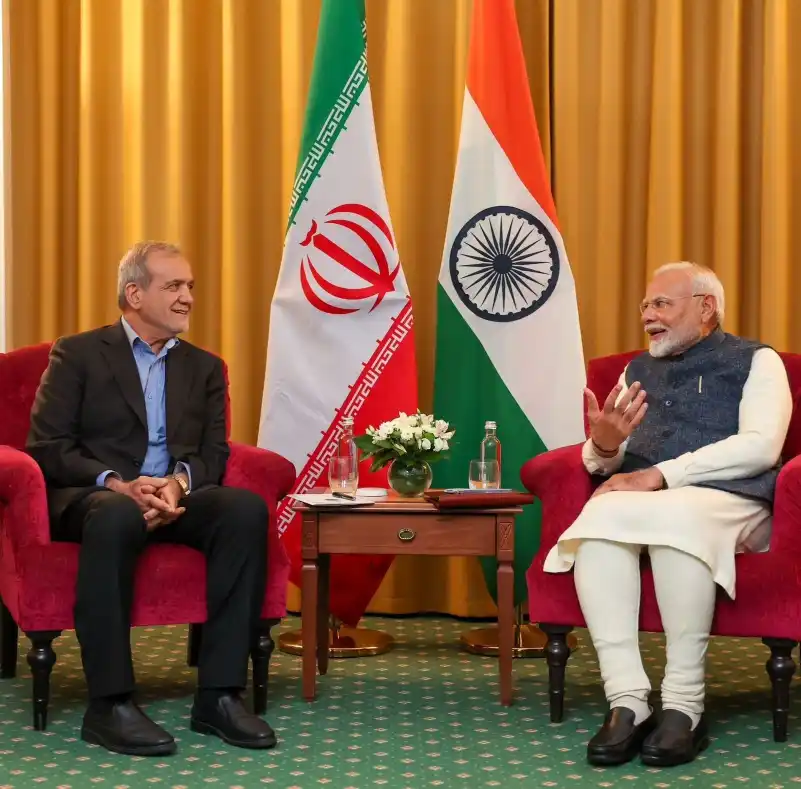
In a post on X, PM Modi said he underlined the importance of ensuring freedom of navigation in the Strait of Hormuz, a critical global energy shipping route, stressing that it is vital for both India and the wider world. He also reiterated India’s support for lasting peace and stability in the region.
An official Indian readout stated that Modi welcomed the recent understanding between the United States and Iran, while emphasising that all outstanding issues must be resolved through dialogue and diplomacy. The Prime Minister also called for sustained efforts to maintain peace, stability, and uninterrupted maritime trade.
Separately, Modi noted on social media that he expressed optimism about ongoing negotiations, saying that continued efforts could help secure durable peace in the region. He again highlighted the importance of protecting freedom of navigation in the Strait of Hormuz.
During the call, President Pezeshkian had extended an invitation to PM Modi for events related to the funeral of Iran’s late Supreme Leader Ali Khamenei, scheduled to begin on July 4. However, India has decided to send a delegation led by Minister of State for External Affairs Pabitra Margherita along with Bihar Governor Syed Ata Hasnain instead.
According to an Iranian readout, PM Modi informed the Iranian side about India’s decision to send a special delegation to the ceremony.
This marks the third conversation between Modi and Pezeshkian since tensions escalated in West Asia earlier this year. The discussions come at a time when diplomatic efforts continue to stabilise the region following an interim peace understanding reached in mid-June.
India has maintained a careful diplomatic balance throughout the crisis, engaging with Iran while also expressing concern over attacks in the Gulf region and consistently calling for restraint, dialogue, and peaceful resolution of conflicts.
