


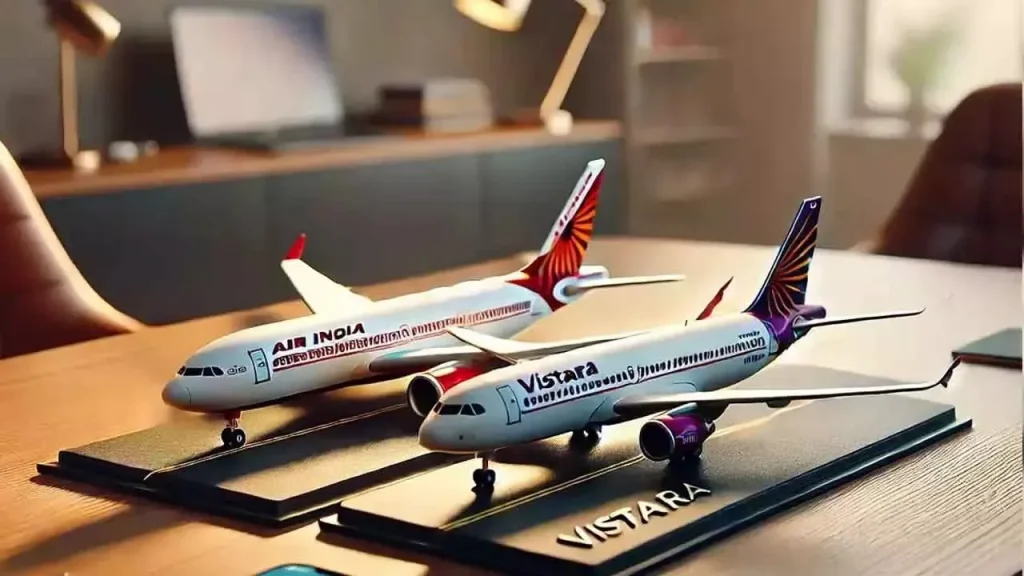
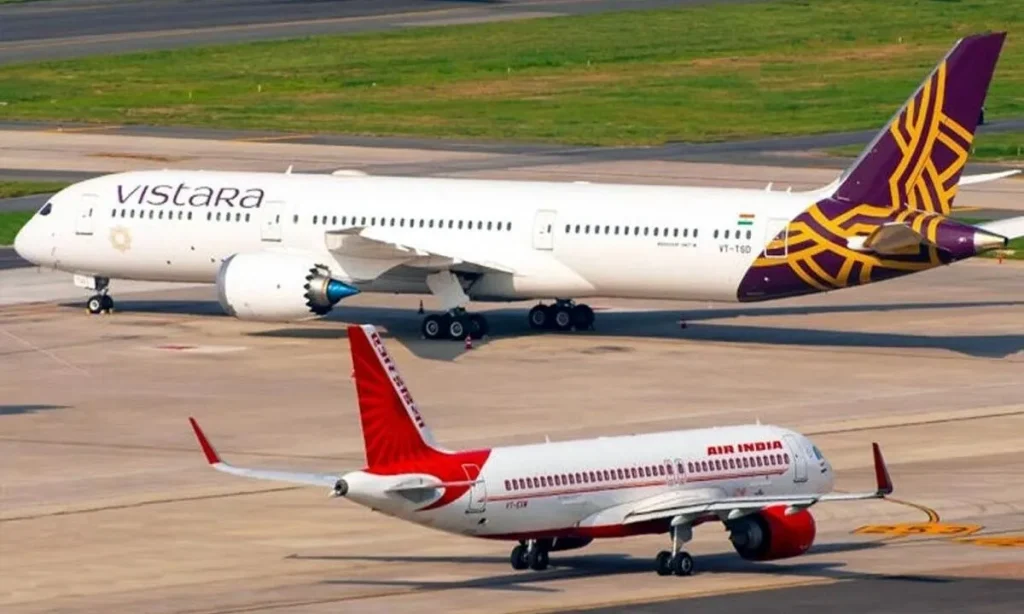
After nine years of soaring success, Vistara, a Tata group airline, will operate its final flight on Monday, November 11, 2024. Launched in January 2015 as a joint venture between Tata Sons and Singapore Airlines (SA), Vistara won the hearts of travellers with its full-service offerings. Post-merger, all Vistara flights will now operate under Air India starting November 12.
Why Merge Vistara with Air India?
The merger is part of Tata Group’s strategic plan to consolidate its airline ventures under the Air India brand. This move aims to enhance operational efficiency and offer a unified customer experience. In August 2024, the government approved a foreign direct investment by Singapore Airlines, granting the carrier a 25.1% stake in the merged entity.
What Happens to Existing Vistara Bookings?
Vistara stopped accepting new bookings on September 3, 2024. Travellers with bookings for journeys beyond November 11 will automatically have their tickets transferred to Air India flights. Additionally, Club Vistara will integrate with Air India’s Flying Returns, now renamed Maharaja Club, for a seamless transition.
New Flight Codes for Vistara Aircraft
Post-merger, Vistara aircraft will operate under special Air India codes starting with ‘AI 2’. For example, flight UK 955 will now be listed as AI 2955. Despite the rebranding, passengers will continue to enjoy Vistara’s distinctive in-flight services, including menus and crew.
Timeline: Tata Group’s Aviation Journey
1932: Tata Airlines founded by J.R.D. Tata, marking India’s aviation debut.
1946: Tata Airlines renamed Air India; nationalised in 1953.
2001: Tata and Singapore Airlines bid for Air India, but lose.
2013: Tata partners with AirAsia and Singapore Airlines to launch AirAsia India and Vistara.
2021: Tata wins the bid to reacquire Air India.
2022-2024: Tata consolidates its airlines, merging AirAsia India with Air India Express and now Vistara with Air India.
Future Plans
With over 23,500 employees combined, the merged Air India aims to strengthen its global footprint. The transition reflects Tata’s vision of creating a unified, competitive airline capable of standing tall on the global stage.
