


In a diplomatic advancement, Prime Minister Narendra Modi of India and Bangladesh’s counterpart, Sheikh Hasina, engaged in a productive bilateral talk in New Delhi on Friday. The meeting yielded fruitful outcomes as the two nations signed three essential Memoranda of Understanding (MoUs) aimed at fostering cooperation and deepening their relations.
Digital Payment Mechanism MoU: NPCI and Bangladesh Bank
One of the pivotal agreements inked during the talks was the Memorandum of Understanding on cooperation in the Digital Payment mechanism. This memorandum was jointly signed by India’s National Payments Corporation of India (NPCI) and Bangladesh Bank. The initiative reflects a commitment to advancing digital financial solutions in the region, potentially enhancing economic ties.
Renewal of Cultural Exchange Program (CEP) for 2023-2025
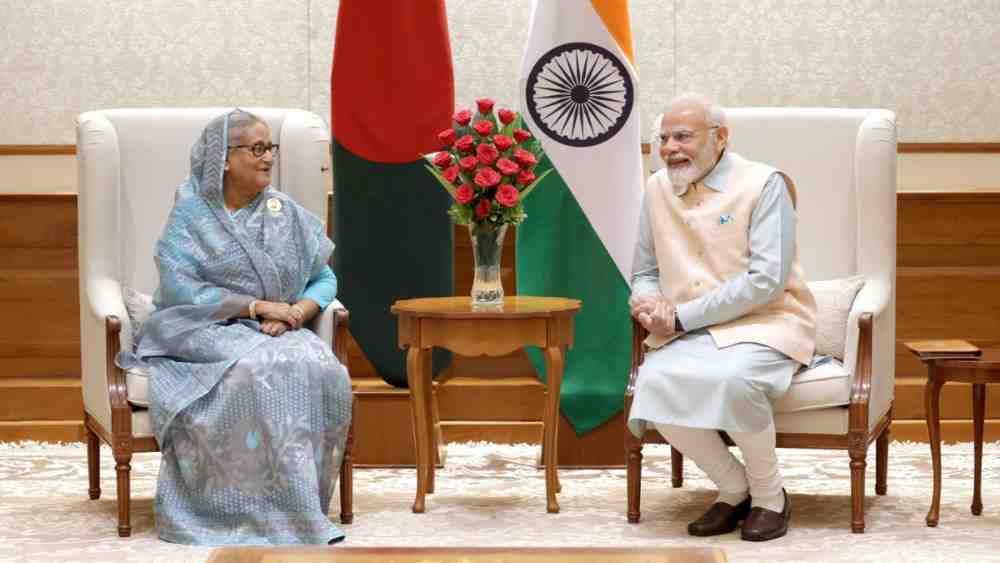
Another MoU highlighted the renewal of the Cultural Exchange Program (CEP) between India and Bangladesh for the period 2023-2025. This agreement underscores the significance of cultural ties in strengthening the bonds between the two nations, promoting cultural exchanges, and fostering a deeper understanding of each other’s heritage.
Agricultural Research Collaboration: ICAR and BARC
The third MoU sealed during the bilateral meeting was a collaboration between the Indian Council of Agricultural Research (ICAR) and the Bangladesh Agriculture Research Council (BARC). This partnership aims to enhance agricultural research, sharing knowledge, and promoting sustainable agricultural practices in the region.
Comprehensive Economic Partnership Agreement (CEPA) in the Pipeline
Apart from the MoUs, the leaders also expressed their anticipation for the commencement of negotiations on the Comprehensive Economic Partnership Agreement (CEPA). This agreement will encompass trade in goods and services, as well as initiatives to protect and promote investments, marking a significant step toward economic integration.
Extensive Bilateral Cooperation and Regional Engagement
The discussions between Prime Minister Modi and Prime Minister Hasina encompassed a wide spectrum of bilateral cooperation. These included areas such as political and security cooperation, border management, trade, and connectivity, as well as cooperation in water resources, power and energy, development projects, and cultural exchanges. Both leaders also explored recent regional developments and opportunities for collaboration in international fora.
Development Projects Inauguration on the Horizon
In a nod to the ongoing development cooperation between the two nations, Prime Ministers Modi and Hasina expressed their satisfaction with the implementation of various projects. They eagerly anticipated the joint inauguration of key projects, including the Agartala-Akhaura Rail Link, Unit-II of the Maitri Power Plant, and the Khulna-Mongla Rail Link, with a convenient date to be determined.
Support for Safe Repatriation of Refugees
Considering the regional situation in Bangladesh, Prime Minister Modi acknowledged the substantial burden borne by the country in hosting over a million individuals displaced from Myanmar’s Rakhine State. India expressed its constructive and positive approach in supporting safe and sustainable repatriation solutions for the refugees.
A Shared Vision for the Future
Prime Minister Sheikh Hasina commended Prime Minister Modi for his warm hospitality, and both leaders expressed their desire to continue exchanging views and collaborating at all levels. Their commitment to enhancing their extensive engagement reinforces the strong and enduring ties between India and Bangladesh, paving the way for increased cooperation and partnership.
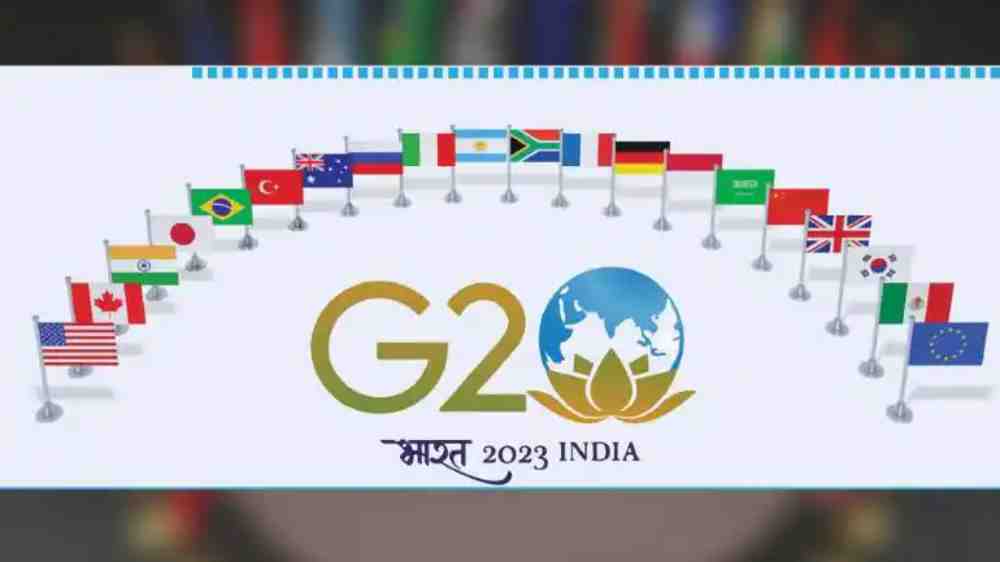
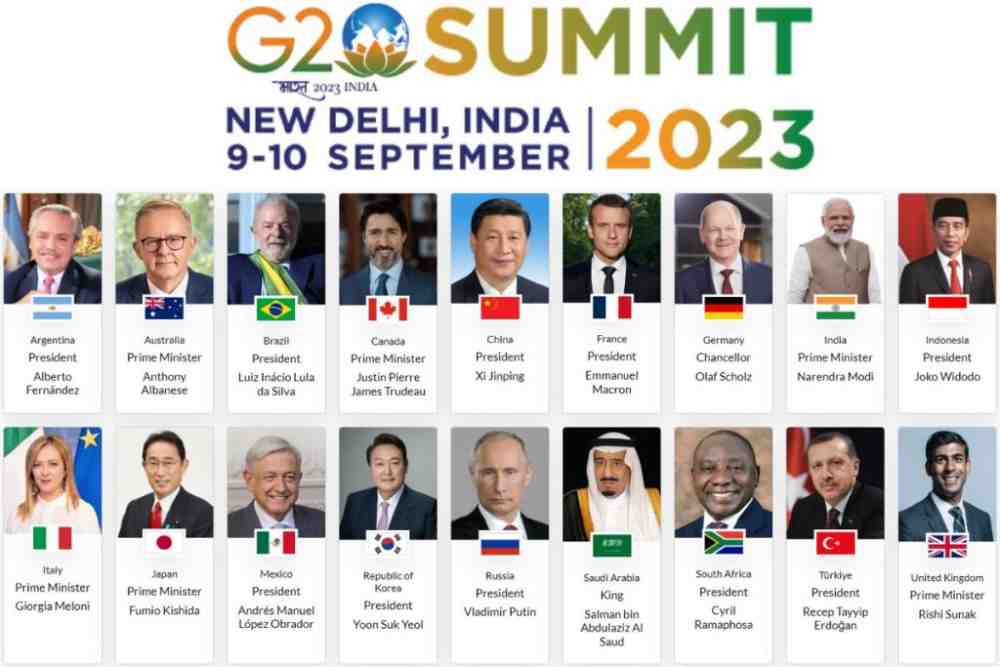
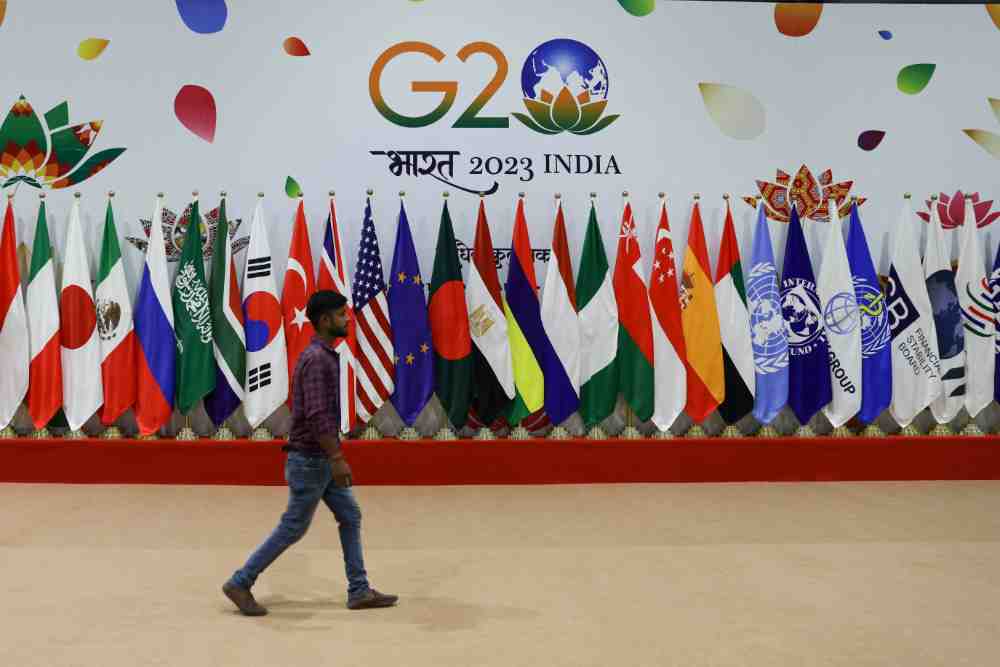
In parallel news, the G20 Summit in New Delhi witnessed the arrival of US President Joe Biden, who expressed enthusiasm for the enduring and dynamic partnership between the United States and India. This international event marks a significant platform for discussions on global issues and further strengthening international relations.
