


US President Donald Trump is scheduled to meet Qatar’s Prime Minister Sheikh Mohammed bin Abdulrahman Al Thani at the White House on November 9 as efforts to end the ongoing conflict with Iran face fresh diplomatic challenges. Qatar has been playing a key role as an intermediary between Washington and Tehran, relaying proposals and seeking to bridge differences over Iran’s nuclear programme and the conditions for ending the conflict.
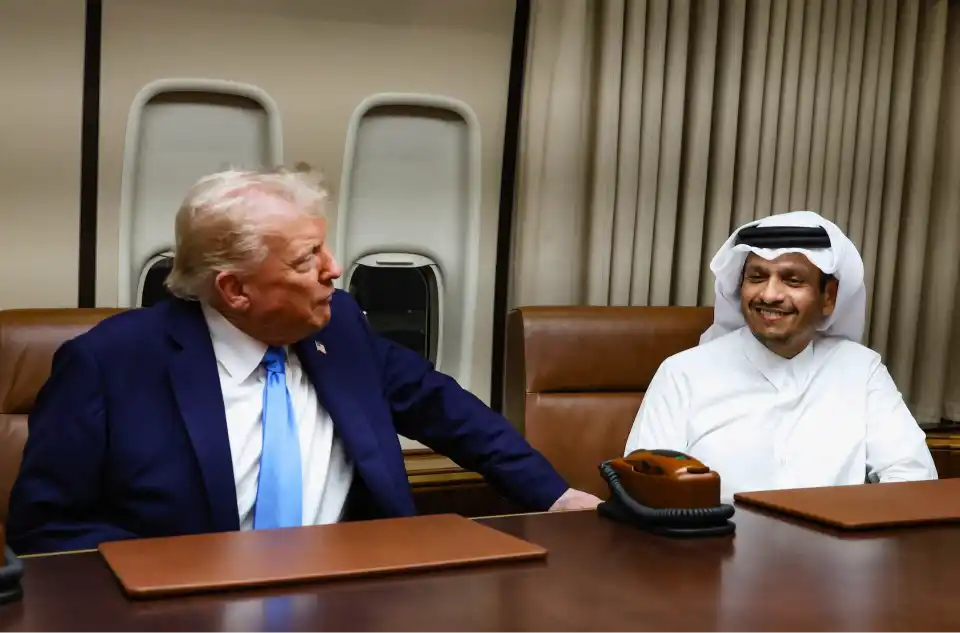
The meeting comes amid stalled negotiations, with US Secretary of State Marco Rubio saying that diplomatic discussions have made little progress so far. Qatar’s Prime Minister is also expected to meet US Vice President JD Vance, who has been involved in indirect discussions with Tehran.
Qatar Seeks More Time for Diplomacy
Sheikh Mohammed is seeking additional time for diplomatic efforts to produce a ceasefire and restart nuclear negotiations, according to reports citing sources familiar with the discussions.
Qatar, along with regional partners including Pakistan, Saudi Arabia, Egypt and Turkey, has been involved in discussions around a proposed two-day confidence-building arrangement between Washington and Tehran.
Under the reported proposal, the US would lift its naval blockade and release some of Iran’s frozen funds on the first day. In return, Iran would invite the International Atomic Energy Agency (IAEA) to send inspectors to nuclear sites that were bombed during the conflict.
On the second day, the Strait of Hormuz would reopen, followed by renewed nuclear negotiations focused on Iran’s stockpile of highly enriched uranium. The proposal is intended to create conditions for broader discussions on ending the conflict.
Iran Awaits US Response
Iranian Foreign Minister Abbas Araghchi said Tehran was waiting for Washington’s response to its latest proposal. He reiterated that Iran was prepared to pursue a diplomatic solution if its conditions, including an end to the conflict on all fronts, were addressed.
The proposed arrangement comes as regional mediators attempt to prevent further escalation and restore negotiations over Iran’s nuclear programme.
However, differences between the two sides remain significant. Washington is seeking assurances over Iran’s nuclear activities, while Tehran has called for an end to military operations and changes to restrictions affecting its economy and access to international funds.
Rubio Says No Immediate Breakthrough
US Secretary of State Marco Rubio said indirect negotiations with Iran had not made sufficient progress and that a breakthrough was not imminent.
Speaking before travelling to Paris for a G7 foreign ministers’ meeting, Rubio said Trump preferred a diplomatic resolution but described Iran’s demands as unacceptable and unrealistic.
Trump, meanwhile, said he was highly unlikely to order fresh strikes against Iran if negotiations progressed and produced a strong agreement. However, he warned that the US had identified additional infrastructure targets, including bridges, if military operations resumed.
Strait of Hormuz Remains a Key Concern
The Strait of Hormuz is central to the negotiations because of its importance to global energy supplies and maritime trade. Any disruption to shipping through the strategic waterway could affect oil and gas movements, international trade and energy prices.
The proposed reopening of the strait is therefore a key part of the reported two-day confidence-building plan.
Trump’s meeting with Qatar’s Prime Minister is expected to provide an opportunity to assess the proposal and the scope for renewed negotiations. However, with Washington and Tehran still divided over key conditions, the diplomatic outcome remains uncertain.
