


Karnataka has collected and tested petrol samples at 67 locations across the state following complaints from motorists about excessive ethanol blending and its alleged impact on vehicle performance. Chief Minister D.K. Shivakumar said the investigation covers petrol pumps as well as facilities involved in ethanol blending and distribution.
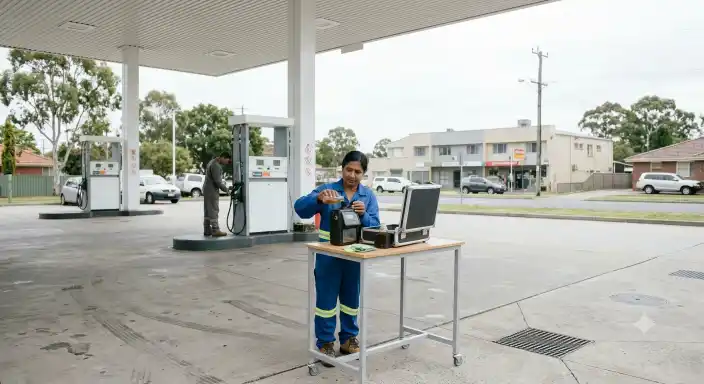
The inspections follow complaints from thousands of vehicle owners about reduced mileage, vehicles failing to cover expected distances and engines stalling while in motion. Shivakumar said the government had taken the issue seriously and shared information with the Union Government.
Food and Civil Supplies Minister Rizwan Arshad is expected to release the detailed inspection report and outline the next course of action.
Tests Reportedly Find Ethanol Levels Above E20
The controversy began after Karnataka’s Food and Civil Supplies Department reported ethanol concentrations of up to 31.2% in certain petrol samples. According to the department’s findings released on November 6, 11 of 14 samples tested reportedly contained ethanol above the prescribed E20 level of 20%.
The samples were collected from seven districts, including Bengaluru, Kolar, Chikkaballapura, Bengaluru Rural, Ramanagara, Mangaluru and Tumakuru.
The reported results included ethanol concentrations of 31.2% in an Indian Oil Corporation (IOCL) sample and 30.5% in a Hindustan Petroleum (HPCL) sample. Other samples reportedly recorded levels of 27%, 26.5% and 26.1%.
The state government has raised concerns about whether excessive blending is taking place during fuel distribution and at retail outlets.
Oil Companies Challenge Testing Methodology
Public sector oil marketing companies have rejected Karnataka’s findings, arguing that the samples were not tested using the prescribed procedures and technical standards.
The Union Petroleum and Natural Gas Ministry said on November 7 that tests conducted by oil companies found all 893 E20 petrol samples collected across 27 states and Union Territories compliant with the prescribed quality standards. This included 56 samples from Karnataka, which recorded ethanol levels between 19% and 20%.
The oil companies have also questioned the sampling process and testing methodology used by the Karnataka government. They have called for joint sampling and independent verification in accordance with established standards.
The disagreement has created two contrasting sets of test findings, making independent verification an important next step in resolving the issue.
Why E20 Fuel Is Under Scrutiny
E20 petrol contains up to 20% ethanol blended with petrol. India’s ethanol blending programme aims to reduce dependence on imported crude oil, lower emissions and create additional demand for agricultural produce such as sugarcane and maize.
However, concerns have emerged over the compatibility of higher ethanol blends with some older vehicles, particularly regarding mileage, fuel-system components and engine performance.
The Centre maintains that E20 fuel supplied by public sector oil companies meets prescribed quality standards. Karnataka, meanwhile, has sought further investigation into complaints and the reported test results.
What Happens Next?
The Karnataka government is expected to release its inspection findings and test reports, while oil companies have sought access to the samples and supporting documentation for independent testing.
The outcome could have implications for fuel-quality monitoring, consumer protection and the implementation of India’s ethanol blending programme.
For motorists, the central concern remains whether the petrol being sold meets the prescribed specifications and whether any deviation is affecting vehicle performance. A transparent, scientifically verifiable investigation will be essential to establish the facts.
