


The Indian Navy is set to receive eight next-generation corvettes under a defence project worth more than ₹40,000 crore approved by the Cabinet Committee on Security (CCS), chaired by Prime Minister Narendra Modi. The approval was granted at a meeting on October 28, 2026, marking a major step towards strengthening India’s naval capabilities and domestic warship manufacturing.
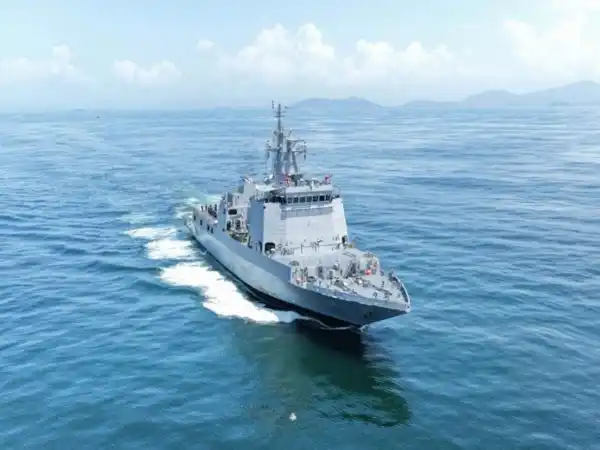
The contracts for constructing the eight warships are expected to be signed with Garden Reach Shipbuilders & Engineers (GRSE), based in Kolkata, and Goa Shipyard Limited (GSL) in the coming days. The Navy aims to receive the first vessel by 2030.
Indigenous Design and Advanced Capabilities
The proposed Next-Generation Corvettes (NGCs) will feature an indigenous design developed by the Indian Navy. Each vessel is expected to have a displacement of around 2,000 tonnes and a top speed of approximately 30 knots.
Designed as versatile surface combatants, the warships will support a range of missions, including anti-surface warfare, anti-submarine operations, maritime surveillance, reconnaissance, coastal defence and search-and-attack missions. Their induction is expected to improve the Navy’s ability to monitor maritime activity and respond to emerging threats across the Indian Ocean Region.
GRSE and Goa Shipyard to Build the Fleet
The project will be shared between the two state-owned shipbuilders. GRSE is expected to construct five corvettes under an order worth more than ₹25,000 crore, while Goa Shipyard Limited is expected to build the remaining three vessels.
The Defence Acquisition Council first granted Acceptance of Necessity for the programme in June 2022, with an estimated cost of around ₹36,000 crore. The project subsequently moved through the bidding process, with commercial bids opened in May 2025. The latest CCS approval clears a major hurdle before the construction contracts are finalised.
Boost to India’s Maritime Security
The new corvettes will complement the Navy’s existing fleet, including its four Kamorta-class corvettes, which primarily specialise in anti-submarine warfare. Additional multirole warships will provide more platforms for surveillance, coastal operations and maritime security missions.
The programme also supports India’s push for indigenous defence manufacturing under the Atmanirbhar Bharat initiative and the broader SAGAR vision—Security and Growth for All in the Region. Building the vessels domestically is expected to strengthen the country’s shipbuilding ecosystem and support related industries and suppliers.
