


The Indian government plans to approach global investors for the proposed privatisation of 11 airports, with the bidding process expected to begin by December 2026. Promotional roadshows are planned in major financial centres, including Mumbai, Dubai and Singapore, to explain the proposed bidding structure and encourage participation from international and domestic investors.
The Airports Authority of India (AAI) will group the airports into five bundles for the first time, pairing larger airports with smaller facilities. The airports are proposed to be leased to private operators under 50-year concession agreements. The government aims to finalise the deals by the end of the 2026–27 financial year.
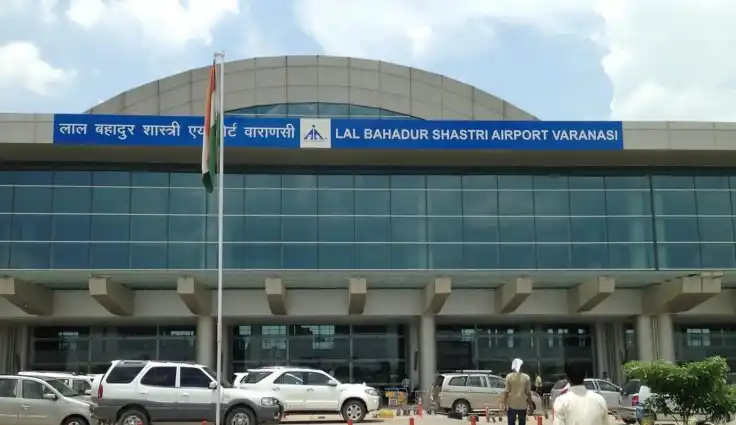
Five Airport Bundles Planned
The proposed bundles are:
- Amritsar and Kangra-Gaggal
- Varanasi, Gaya and Kushinagar
- Bhubaneswar and Hubballi
- Raipur and Aurangabad
- Tiruchirappalli and Tirupati
The bundling model pairs airports with stronger traffic or commercial potential with smaller facilities. The approach is intended to improve financial viability and attract operators to airports that may be less attractive as standalone investments.
Global Investors and Indian Companies in Focus
The government expects participation from existing airport operators, including the Adani Group and GMR Group, alongside new investors. Sovereign wealth funds from West Asia and Indian conglomerates such as JSW Group are among the potential participants identified in reports. The proposed roadshows will help the AAI explain the bundled model and gather feedback from prospective bidders.
Bid Caps to Address Market Concentration
The government plans to limit the number of airport bundles that a single bidder can acquire. The proposed cap is intended to reduce the risk of excessive market concentration and prevent a small number of companies from gaining a disproportionate share of airport operations.
The plan has received in-principle approval from the Public Private Partnership Appraisal Committee (PPPAC). The proposed concessionaires are expected to invest in airport operations, maintenance and development, with earlier estimates putting the total investment for the 11 airports at ₹8,622 crore.
Expanding Private Participation in Aviation
The proposed privatisation forms part of India’s broader effort to attract private capital into airport infrastructure and improve operational efficiency. Under the concession model, private operators would manage and develop the airports, while the AAI would continue to handle air traffic control and related communication, navigation and surveillance services.
The success of the next round will depend on investor participation, the final concession terms and the government’s ability to balance private investment with competition in the aviation sector.
