


Elon Musk’s satellite internet service Starlink is still waiting to begin commercial operations in India, despite years of preparation, key regulatory approvals and partnerships with major Indian telecom operators. The delay highlights the challenges of balancing satellite connectivity, national security requirements and competition in one of the world’s largest internet markets.
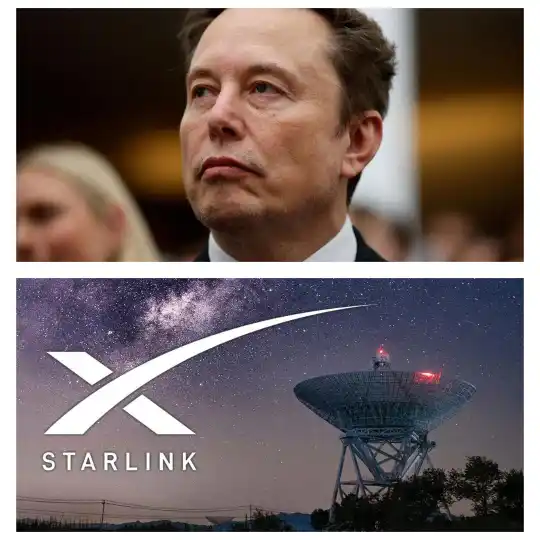
Starlink, operated by SpaceX, has obtained a Global Mobile Personal Communication by Satellite (GMPCS) licence from the Department of Telecommunications and authorisation from the Indian National Space Promotion and Authorisation Centre (IN-SPACe). It has also signed distribution agreements with Reliance Jio and Bharti Airtel. However, these approvals do not automatically permit the company to launch commercial services.
Security Clearance Remains a Key Hurdle
One of the main challenges is meeting India’s security requirements for satellite communications. Authorities require operators to comply with lawful interception procedures, data localisation rules and provisions allowing services to be restricted during emergencies.
Starlink’s low-Earth-orbit network uses interconnected satellites that can route data through inter-satellite links before it reaches a ground station. Indian authorities have examined whether this architecture can ensure that domestic internet traffic remains within the required regulatory and security framework.
The government has also sought assurances that it can exercise effective control over services during emergencies or security incidents. These concerns have become more prominent because Starlink’s network has been used in conflict zones, including Ukraine.
Foreign Investment and Spectrum Rules
Foreign direct investment approval is another outstanding issue. Although India permits up to 100% foreign investment in satellite services, investment proposals requiring government approval must complete the relevant review process. Starlink’s ownership structure and disclosure requirements have been part of the scrutiny.
Spectrum allocation is also critical. India has chosen administrative allocation for satellite spectrum rather than an auction, but the final framework governing spectrum charges and assignment must be completed before commercial operations can begin.
The Department of Telecommunications has supported a spectrum usage charge of 5% of adjusted gross revenue, with incentives for services in remote areas. The proposed charge was still awaiting final approval as of early October 2026.
Musk Raises Concerns About Delays
The regulatory delay has triggered a public dispute. Musk has accused unnamed Indian business interests of obstructing Starlink’s entry to protect existing market positions. India’s communications ministry has rejected allegations of preferential treatment, stating that security assessments are underway for Starlink and rival satellite ventures backed by Reliance Jio and Bharti Airtel.
The ministry has said the authorisation process is fair and non-discriminatory, with all operators required to meet the same security conditions before progressing to spectrum assignment.
A Potential Market of More Than a Billion Internet Users
India offers Starlink a substantial potential market, particularly in remote villages, mountainous areas and border regions where fibre-optic networks and mobile towers can be costly to deploy. Satellite broadband could support connectivity for homes, businesses, schools, healthcare facilities and government services.
However, Starlink would enter a market where mobile data is relatively inexpensive and established telecom operators have extensive networks. Affordability, equipment costs and the ability to compete with existing services will influence its commercial prospects.
Starlink has already taken steps to prepare its Indian operations, including customer verification arrangements and discussions with state governments about connectivity in underserved areas. Its launch, however, remains dependent on completing the outstanding regulatory requirements.
The delay highlights a broader policy challenge for India: enabling new satellite internet services while maintaining oversight of critical communications infrastructure, protecting data and ensuring that all operators comply with national security rules.
