


India’s Basmati rice exports to Iraq are set to receive a logistics boost through a new bulk-shipping initiative aimed at reducing freight costs amid rising transportation expenses and container shortages. The Indian Rice Exporters’ Federation (IREF) has introduced the initiative in collaboration with Singapore-based Eximwala Solutions Pte. Ltd. to improve the competitiveness of Indian rice in the Middle East market.
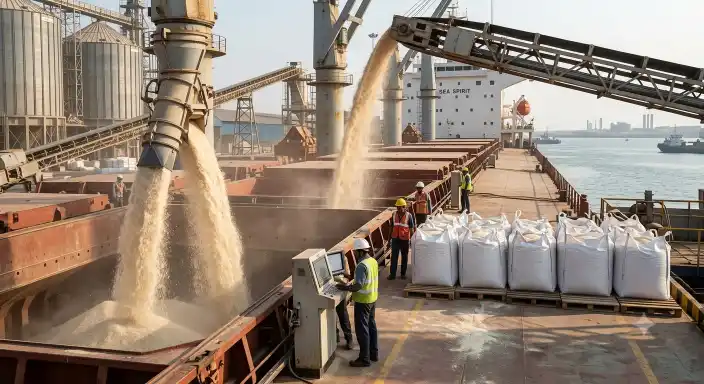
The arrangement covers shipments of 1,02,210 metric tonnes of Basmati rice to Iraq across three vessels. According to IREF, the initiative aims to bring freight costs down from approximately $350 per tonne for container shipments to around $90 per tonne through bulk shipping. This represents a potential reduction of nearly 74%, or about $260 per tonne.
At the proposed rates, the freight reduction could generate gross savings of approximately $26.6 million across the planned shipment volume. The lower transportation costs are expected to help exporters offer more competitive prices while protecting margins amid ongoing geopolitical disruptions and shipping challenges.
The Middle East remains a major destination for Indian Basmati rice, accounting for nearly 70% of the country’s total Basmati export volume. During the financial year 2025–26, India exported 45.64 lakh metric tonnes of Basmati rice worth ₹34,284 crore to the region. Including non-Basmati varieties, rice exports to the Middle East reached 56.48 lakh tonnes, valued at ₹39,657 crore.
Saudi Arabia was the largest listed destination for Indian Basmati rice, with imports worth ₹8,324 crore, followed by Iran at ₹6,970 crore, Iraq at ₹5,583 crore and the UAE at ₹4,132 crore. Iraq imported approximately 7.64 lakh tonnes of Indian Basmati rice during the period.
IREF National Vice President Dev Garg said high shipping costs directly affect India’s competitiveness in the region. The federation aims to explore similar commercially viable shipping solutions for other Gulf destinations, helping exporters maintain market share and improve returns across the supply chain.
The initiative comes ahead of the Bharat International Rice Conference 2026, scheduled for October 23–25 at Bharat Mandapam in New Delhi. The conference is expected to address shipping costs, bulk and container logistics, cargo insurance, port delays and maritime disputes affecting the rice export sector.
By expanding the use of bulk carriers, Indian rice exporters are seeking to reduce their dependence on costlier container shipments and improve logistics efficiency. The success of the Iraq initiative could provide a model for managing freight expenses and supporting India’s broader rice export trade.
