


Abu Dhabi is preparing to invest tens of billions of dollars in ports and other infrastructure outside the Strait of Hormuz as it looks to reduce its dependence on the key shipping route amid tensions with Iran.
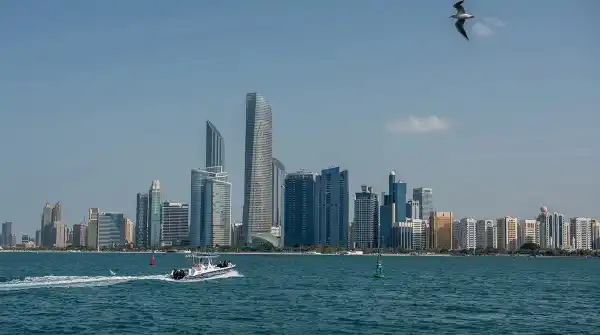
The investment drive is being led by L’imad Holding, Abu Dhabi’s $300 billion sovereign wealth platform. The fund is expected to increase spending on port infrastructure after announcing plans to take Abu Dhabi Ports Co. private at a valuation of nearly $9 billion.
The strategy is part of what Abu Dhabi officials have called “Zero Hormuz”, an effort to create alternative routes for oil, petrochemicals, aluminium and other goods if shipping through the Strait of Hormuz is disrupted.
Focus on Fujairah
The Strait of Hormuz is the main maritime route connecting the Persian Gulf with the wider world. Growing concerns over disruption have pushed Gulf countries to develop alternative transport routes.
Abu Dhabi Crown Prince Sheikh Khaled bin Mohamed Al Nahyan is overseeing the investment strategy after becoming chairman of L’imad. Officials are particularly focusing on Fujairah, a UAE port city on the Gulf of Oman that lies outside the Strait of Hormuz.
Fujairah already handles some UAE crude exports and is expected to play a larger role in the country’s efforts to develop alternative shipping and energy routes.
$30 Billion Infrastructure Partnership
L’imad is also working with international investors to expand infrastructure spending. In May, the fund agreed with BlackRock, Singapore’s Temasek Holdings and Abu Dhabi National Oil Co. (Adnoc) to target up to $30 billion in investments in energy transportation, logistics and water infrastructure.
The programme is expected to use foreign capital rather than relying entirely on government funding.
L’imad CEO Jassem Bu Ataba Al Zaabi and Saif Saeed Ghobash, chairman of the crown prince’s office, have been involved in discussions around the partnership.
Adnoc and DP World Expand Fujairah Operations
The wider UAE infrastructure strategy also includes new projects by Adnoc and Dubai-based DP World.
Adnoc is developing a second oil pipeline to Fujairah that would double the port’s export capacity. Sheikh Khaled, who chairs the executive committee of Adnoc’s board, has directed the company to speed up the project.
DP World is also developing container terminals in Fujairah to increase the UAE’s ability to move goods through routes outside Hormuz.
UAE Minister of Foreign Trade Thani Al Zeyoudi said in June that the country wanted to move towards “zero Hormuz dependency”, regardless of whether the strait remains open.
Challenges Remain
Developing alternative routes does not completely remove security risks. Fujairah itself was affected during the conflict when debris from an intercepted drone caused a fire at the oil-trading hub, according to Bloomberg.
Saudi Arabia has also worked to reduce its dependence on Hormuz by expanding its East-West oil pipeline to the Red Sea. However, the route has previously faced disruptions following attacks.
While pipelines can provide an alternative route for crude oil, other commodities such as gas and aluminium require different infrastructure and can be more difficult to reroute.
Infrastructure and Diplomacy
At the same time, the UAE continues to maintain diplomatic engagement with Iran.
Sheikh Khaled recently met Iranian President Masoud Pezeshkian on the sidelines of the BRICS summit in India. He also led a delegation to China during the conflict, as China maintains major economic ties with both Iran and the UAE.
Experts cited by Bloomberg said reducing dependence on the Strait of Hormuz remains important for the UAE, while noting that infrastructure outside the strait could still face security threats.
