


India has exported around 500 tonnes of hilsa to Bangladesh over the past two months, reversing the traditional flow of the popular fish between the two neighbouring countries.
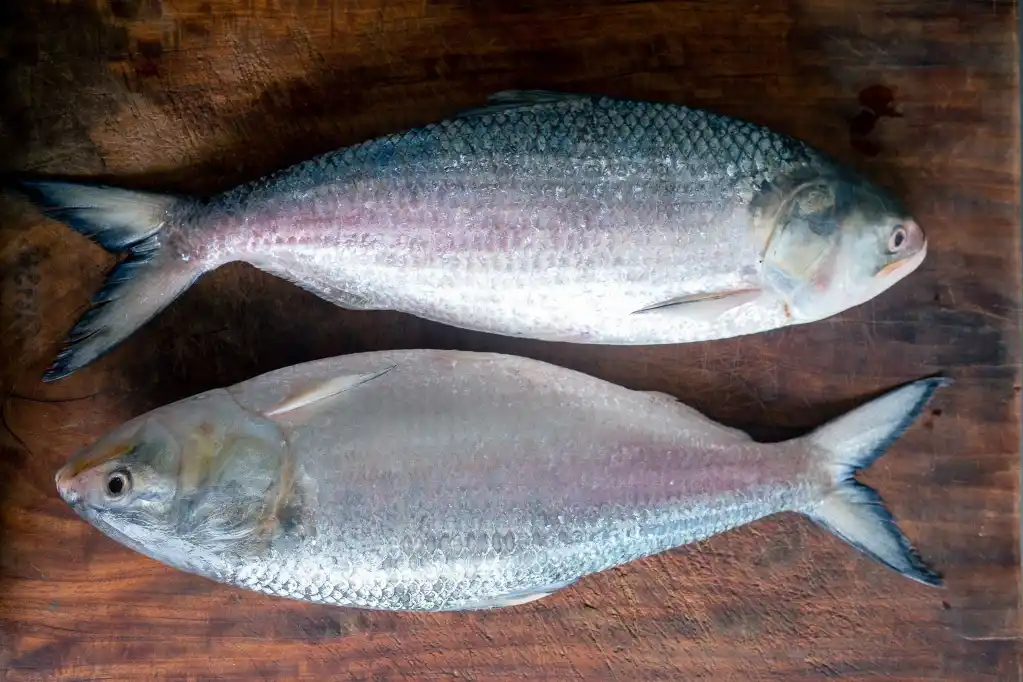
Fish traders said another 150 to 200 tonnes of hilsa could be exported from India to Bangladesh in the coming weeks as the country faces a shortage of the fish and increased domestic demand.
The consignments have mainly been sourced from Gujarat and transported through Bharuch port. Some supplies have also been routed through the Howrah wholesale fish market in West Bengal, according to traders.
Syed Anwar Maqsood, secretary of the Howrah Wholesale Fish Importers’ Association, said Bangladesh is importing hilsa from India this year because of the shortage. Traditionally, India sends other varieties such as boal, rohu, parse and tangra to Bangladesh.
Gujarat’s hilsa has relatively lower demand in the Indian market because of its high roe content. However, the same characteristic has made it popular among Bangladeshi consumers, particularly in Chattogram and Sylhet, where roe-filled hilsa is highly sought after.
According to traders, the roe is also being separated and processed for re-export to other countries. Some Bangladeshi traders are processing the imported hilsa for overseas markets, while others are drying the fish and selling it domestically as salted hilsa.
Bangladesh is traditionally one of the world’s largest producers of hilsa, and the fish holds an important place in Bengali food and cultural traditions on both sides of the border.
India has also traditionally received hilsa from Bangladesh ahead of the Durga Puja season. However, there is currently no clarity on whether Bangladesh will allow exports of Padma River hilsa to India this year.
Last year, the Bangladesh government permitted the export of 1,200 tonnes of hilsa to India ahead of the festive season.
The latest exports mark a notable reversal in the usual hilsa trade between the two countries, with India now supplying the fish to Bangladesh to help meet a domestic shortage.
