


India’s recent trade agreements and negotiating frameworks span 38 countries, Defence Minister Rajnath Singh said during his visit to Sri Lanka, highlighting the expansion of India’s global commercial partnerships.
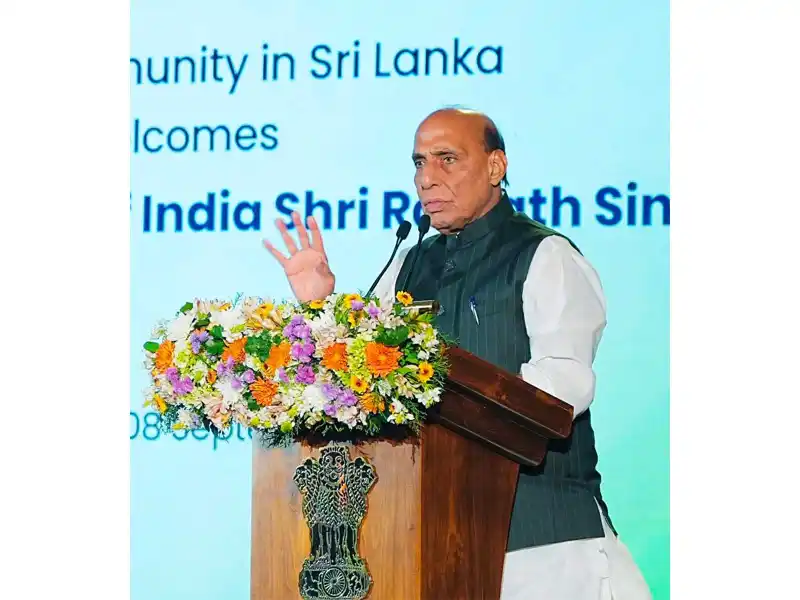
However, the 38-country figure does not represent 38 separate bilateral free trade agreements. According to Commerce Ministry data, the count covers nine recent agreements and frameworks involving Mauritius, the UAE, Australia, the UK, Oman, New Zealand, the 27-member European Union, the four-member European Free Trade Association (EFTA), and an interim trade framework with the United States.
The EU and EFTA together account for 31 of the 38 countries included in the calculation. Several of these arrangements are at different stages of implementation. The India-EFTA Trade and Economic Partnership Agreement came into effect in October 2025, while the India-UK Comprehensive Economic and Trade Agreement entered into force in July 2026.
India and the European Union concluded negotiations for a major free trade agreement in January 2026. Rajnath Singh described the pact as the “mother of all deals”, with the agreement expected to provide Indian companies greater access to the European market.
The recent trade push reflects India’s effort to diversify export markets and strengthen economic ties amid shifting global trade conditions. The government has also highlighted growth in exports, electronics manufacturing, mobile-phone production and defence exports as part of India’s broader economic expansion.
The 38-country tally therefore reflects the combined reach of multiple trade agreements and frameworks, rather than a simple count of individual bilateral FTAs.
