


Infosys co-founder Nandan Nilekani has said India’s biggest opportunity in artificial intelligence lies not in competing with global leaders in advanced chips and large AI models, but in creating practical AI solutions that can be used by millions of people.
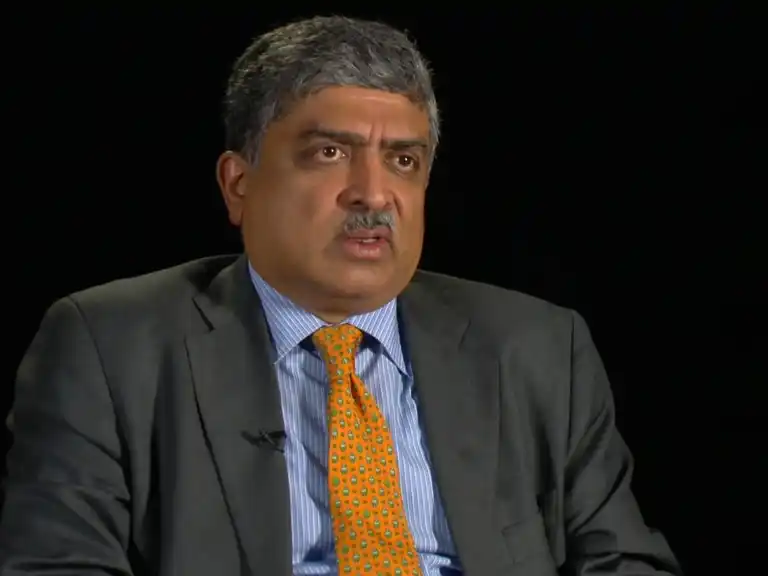
Speaking at the NCAER India Policy Forum 2026, Nilekani said India has the potential to become the world’s “AI use-case capital” by applying artificial intelligence across sectors such as agriculture, healthcare and education.
He said while countries in the West are focusing heavily on AI infrastructure, including larger models, advanced chips and data centres, the real value will eventually shift towards applications. According to him, infrastructure will become more widely available, but countries that build impactful AI solutions will gain an advantage.
Nilekani highlighted India’s experience with digital public infrastructure as a model for large-scale AI adoption. He said technology in India has the potential to reach not just businesses but more than a billion citizens through accessible platforms.
AI In Indian Languages Can Drive Wider Adoption
Nilekani said India’s biggest AI opportunity is making artificial intelligence accessible through Indian languages and voice-based technology.
Given the country’s linguistic diversity, he said AI systems must be capable of understanding regional languages and the way Indians naturally mix multiple languages while communicating.
He added that AI should focus on solving everyday problems, including improving agricultural productivity, healthcare access and education outcomes, rather than only developing advanced AI models.
Startups And Small Businesses To Drive Future Jobs
Nilekani said entrepreneurship will play a major role in India’s employment growth in the coming years. He pointed out that India’s startup ecosystem has grown from fewer than 10,000 startups a decade ago to around 150,000 today.
If the ecosystem continues growing at the current pace, India could have more than one million startups by 2035, he said. These businesses, according to Nilekani, will create both entrepreneurs and employment opportunities.
He also called for reducing compliance challenges for small businesses and creating a simpler business environment to encourage more entrepreneurs.
Small Enterprises Could Create Jobs In The AI Era
Nilekani said future job creation may come from millions of small businesses rather than only large corporations.
He explained that large companies with structured workflows may see greater automation risks, while smaller businesses where employees handle multiple responsibilities could continue creating jobs.
He suggested that India should focus on building an ecosystem where millions of small companies can each create employment opportunities.
To support small businesses, Nilekani called for easier access to credit through digital public infrastructure, wider market opportunities through platforms such as ONDC and AI-powered tools that can help small enterprises grow.
Need For Portable Benefits For Workers
Nilekani also stressed the need to modernise labour systems as more people move between traditional jobs, gig work and entrepreneurship.
He suggested creating portable social security benefits, including pensions, insurance and healthcare support, that remain linked to workers rather than employers.
He also proposed digital credentials that allow workers to carry their skills, qualifications and work experience across different jobs.
India Must Balance Growth And Future Challenges
Apart from AI development, Nilekani said India needs to maintain strong economic growth to benefit from its demographic advantage.
He noted that the country must also address challenges related to urbanisation, climate change, healthcare, education and productivity.
Nilekani warned that India will face significant climate-related risks, including floods, heatwaves and rising sea levels, while working towards faster economic growth.
