


Rajya Sabha MP A.A. Rahim has moved the Supreme Court against the Delhi Police’s use of facial recognition technology and large-scale biometric surveillance during protests linked to the NEET-UG paper leak controversy.
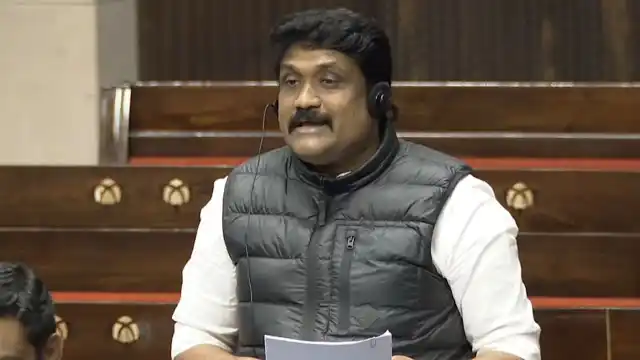
The CPI(M) leader, represented by advocate Subhash Chandran, filed a petition seeking a declaration that the use of facial recognition systems and other surveillance methods on peaceful protesters without legal backing is unconstitutional.
The petition argued that the Delhi Police carried out automated collection, analysis, and matching of biometric information belonging to thousands of protesters, journalists, and ordinary citizens. It alleged that this data was also linked with permanent national criminal databases, raising serious privacy concerns.
According to the plea, protesters at the demonstration site were monitored through CCTV cameras, drones, mobile command and control vehicles, and handheld surveillance devices. The collected footage was reportedly processed using facial recognition technology through systems such as the ‘Ikshana’ vehicle and ‘AjnaLens’ smart spectacles.
The petition also alleged that fingerprints were collected and matched through the National Crime Records Bureau’s ‘Abhigyan’ mobile application with the National Automated Fingerprint Identification System.
Rahim claimed that such surveillance was conducted without any clear legal framework. The plea stated that neither Delhi Police’s internal protest-related guidelines nor the Criminal Procedure (Identification) Act, 2022 authorise biometric monitoring of individuals participating in a lawful assembly.
The petition further pointed out that Delhi Police responses under the Right to Information Act revealed that no privacy impact assessment had been conducted before deploying the technology. It also alleged that an 80% similarity score was being treated as a positive facial recognition match, despite the technology being intended mainly for locating missing persons and identifying deceased individuals.
Rahim argued that using facial recognition technology to monitor peaceful protests violated citizens’ fundamental right to privacy, protected under Article 21 of the Constitution, which guarantees the right to life and dignity.
Through the petition, the Kerala-based CPI(M) Rajya Sabha MP has sought directions from the Supreme Court to stop indiscriminate biometric surveillance of people participating in peaceful public demonstrations.
