


The United Arab Emirates’ reported move to leave OPEC after nearly six decades is being viewed as both a political and economic decision. Analysts suggest it could weaken the oil cartel and challenge Saudi Arabia’s influence as its informal leader.
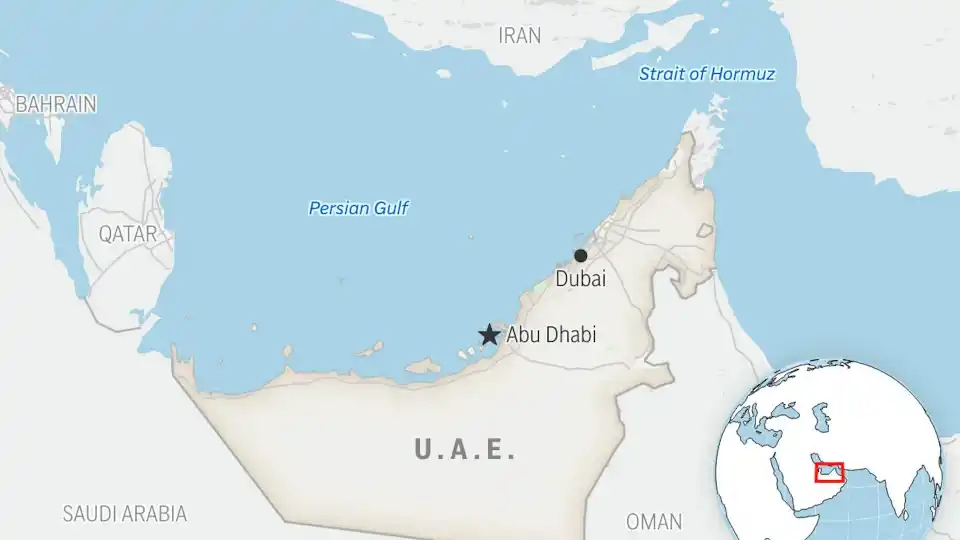
Growing tensions within the Gulf
Frictions between Abu Dhabi and Riyadh have been building for some time, mainly over differences in oil production goals. The UAE has wanted higher output, while Saudi Arabia has pushed for tighter supply controls. These tensions were partially masked by shared concerns over Iran during recent regional conflicts.
Strained ties with Pakistan
Relations between the UAE and Pakistan have also reportedly cooled. Abu Dhabi is said to be unhappy with Islamabad’s diplomatic approach toward Iran and its growing alignment with Saudi Arabia. The UAE also disapproved of Pakistan’s role as a mediator rather than taking a stronger stance during regional tensions.
Impact on OPEC and Saudi influence
As a major oil producer, the UAE’s departure would reduce OPEC’s control over global oil supply coordination. It also weakens Saudi Arabia’s ability to manage oil pricing through the cartel, marking a significant shift in power dynamics.
UAE seeks production freedom and global positioning
Leaving OPEC would allow the UAE to increase oil production without quota restrictions and potentially raise output significantly in the coming years. It also positions Abu Dhabi closer to the United States, where OPEC has often faced criticism.
Diplomatic and regional realignments
Reports suggest the UAE has acted independently in recent regional discussions, reflecting dissatisfaction with limited Gulf consensus on security issues. This shift highlights deeper divisions within the Gulf Cooperation Council.
Economic and strategic implications
The move is seen as part of a broader strategy by the UAE to act independently in global energy markets. Increased output could influence global oil prices while strengthening its role as a flexible and influential supplier.
Pakistan angle and regional rivalry
Tensions with Pakistan are also part of the broader geopolitical picture, with shifting alliances across the Gulf region influencing relationships and financial decisions.
Potential impact on India
For India, increased oil supply flexibility from the UAE could help stabilise or reduce crude prices over time, potentially easing import costs and inflation pressures.
