


India is set to receive its fourth unit of the S-400 Triumf air defence system from Russia, with delivery expected by mid-May 2026. The handover follows pre-dispatch inspections conducted by Indian Air Force (IAF) personnel in April.
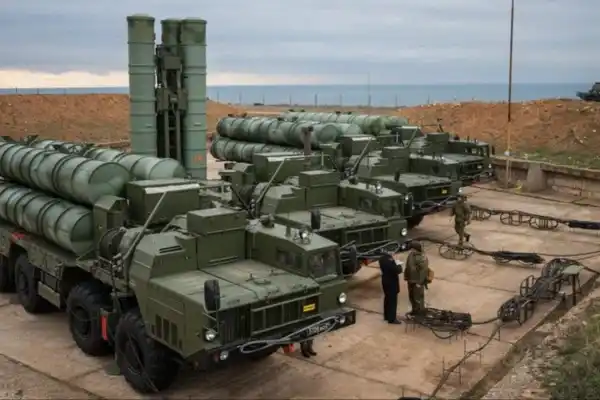
The final, fifth system under the existing contract is expected later this year, completing the full induction of five S-400 squadrons.
Strengthening India’s long-range air defence network
The S-400 system remains a central pillar of India’s layered air defence framework. It is designed to detect and engage multiple types of aerial threats, including fighter jets, drones, cruise missiles, and certain ballistic missiles.
Depending on the interceptor variant used, the system can engage targets at ranges of up to 400 km, giving it a wide defensive footprint and strong area-denial capability.
Deployment strategy and regional coverage
The upcoming system is likely to be deployed in India’s western sector, an area considered strategically sensitive due to potential aerial and missile threats.
Earlier deployments are already operational across other regions, forming overlapping coverage zones. These are integrated with India’s indigenous air defence assets such as Akash missile system, MR-SAM, and developing ballistic missile defence layers.
Layered interception capability
Each S-400 unit carries a mix of interceptor missiles with different ranges. This allows it to operate across multiple layers of defence, from short-range protection of key assets to long-range interception of incoming threats.
The system is built to track and engage several targets at once, adjusting response based on speed, altitude, and distance of the incoming threat.
Building sustained operational readiness
India’s focus is not limited to acquiring the systems alone. A parallel effort is underway to maintain adequate missile stockpiles, strengthen training cycles, and improve integration with command-and-control networks.
This approach is aimed at ensuring long-term operational readiness and maintaining a credible deterrence posture across multiple fronts.
