


The government of India has officially rolled out the e-Passport, a digitally enhanced version of the traditional passport that integrates both physical and digital security features.
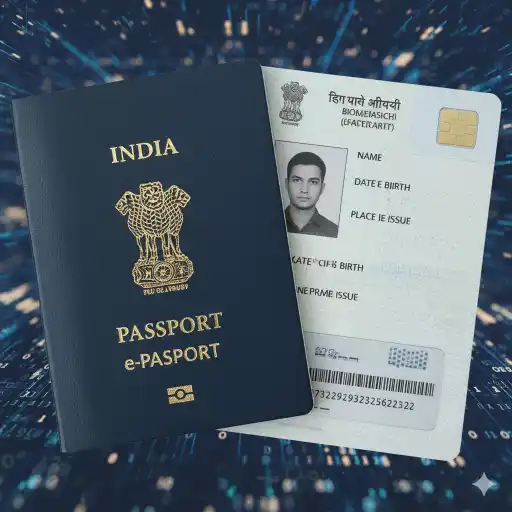
The e-Passport comes with a built-in RFID (Radio Frequency Identification) chip and antenna in its cover. This chip securely stores biometric information, including fingerprints, facial images, and other personal data, making the document far more secure and tamper-resistant.
Among its chief benefits: faster immigration clearance thanks to automated identity verification at e-gates; reduced risk of identity fraud and forgery; and worldwide compatibility under global aviation standards.
Indian citizens eligible for a regular passport can apply for the e-Passport. The application process remains the same: register on the official Passport Seva portal, fill out the form, pay the required fee, and schedule an appointment at a Passport Seva Kendra (PSK) or Post Office Passport Seva Kendra (POPSK).
Applicants will need to undergo biometric data capture (fingerprints, photograph, etc.) during their PSK/POPSK visit. Validity, pages, and fees follow existing passport norms.
As of the latest update, e-Passports are being issued from selected passport offices across key cities, with plans for a nationwide rollout under the Passport Seva 2.0 programme.
This initiative marks a significant leap toward modernising India’s travel documentation, offering safer, faster and globally compatible passports to citizens, and simplifying international travel for millions.
