


Tata Trusts disbursed ₹1,556.31 crore towards philanthropic activities in the financial year ended March 2026 and is working to establish a network of 40–50 non-profit general hospitals across India, Chairman Noel Tata said in the organisation’s annual report for FY26.
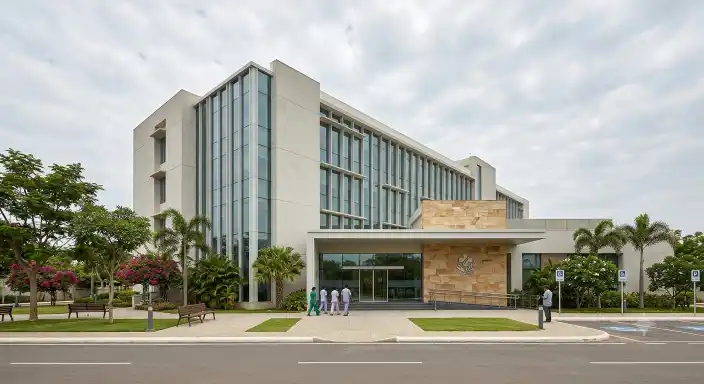
The proposed hospitals will follow a cross-subsidy model under which patients who can afford treatment will help fund care for those who cannot. The annual report, however, does not specify the investment required, proposed locations or timeline for establishing the hospitals.
Rural Development Receives Largest Share
Of the total disbursement, institutional grants and direct project spending accounted for ₹1,353.32 crore, while individual grants amounted to ₹202.99 crore.
Rural development received the largest allocation at ₹457.62 crore, followed by education at ₹270.26 crore and cancer care at ₹178.46 crore. The Trusts also allocated ₹169.31 crore to institutions and ₹105.97 crore to healthcare. Water and sanitation received ₹59.04 crore, while nutrition initiatives received ₹57.64 crore.
Healthcare Strategy for 2026–2031
The annual report outlines a healthcare strategy covering approximately 75 blocks across the Trusts’ core states. It aims to strengthen more than 100 public health facilities in 35 high-priority districts and reach a population of 25 lakh.
The plan also targets reducing under-five mortality in intervention areas from 32 to 25 deaths per 1,000 live births, extending primary healthcare to 10 lakh elderly people and upskilling more than 20,000 frontline health workers.
Cancer Care and Medical Support
During FY26, the Tata Trusts’ Cancer Care Programme recorded 1,06,626 outpatient consultations, 24,874 chemotherapy cycles and 2,879 surgeries. Radiotherapy services were provided to 29,638 patients, while 13,031 new patients were enrolled in the programme. Individual grants included ₹143.30 crore for medical assistance and ₹59.38 crore for education support.
Focus on Long-Term Social Impact
Noel Tata said the Trusts aim to build institutions and programmes that deliver lasting public value, rather than measure success only by the money spent or the number of people reached. He also indicated that the organisation may collaborate with other philanthropic groups to expand initiatives and strengthen institutions.
The planned hospital network forms part of the Trusts’ broader focus on healthcare access and institution-building, with the proposed cross-subsidy model intended to make quality treatment more accessible to patients from different economic backgrounds.
