


Delhi has introduced a new approach to tackling winter air pollution by bringing several restrictions into force before the city’s air quality reaches severe levels. The measures are part of the 2026-27 Winter Action Plan and are designed to reduce emissions ahead of the peak smog season.
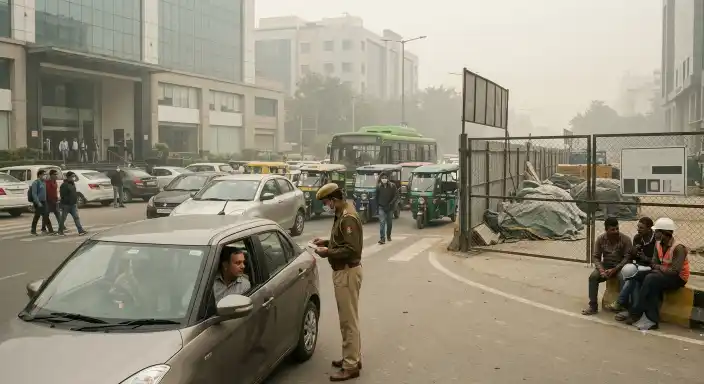
The first major measure began on October 1 with the “No PUCC, No Fuel” rule. Vehicles without a valid Pollution Under Control Certificate can be denied fuel at petrol pumps, with automated number plate recognition cameras being used to monitor compliance.
From November 1, stricter measures are scheduled to begin. These include restrictions on the entry of out-of-Delhi vehicles that do not meet BS-VI emission standards, higher parking charges and work-from-home arrangements for a portion of office staff.
Construction restrictions will also be introduced earlier in the season. Dust-generating demolition and outdoor civil construction will be restricted from November 1 to January 31, while a complete construction and demolition ban is planned from December 10 to January 20.
The plan also includes stronger action against open waste burning and pollution hotspots, along with expanded monitoring and an AI-enabled command and control system. The objective is to identify pollution sources in real time and support faster enforcement action.
Delhi’s air quality has already started deteriorating in October. The city recorded an AQI of 187 on October 4, while September’s average AQI was 102, the lowest September average in five years. However, the most difficult pollution period usually comes during November, December and January.
The new system does not replace the Graded Response Action Plan. GRAP will continue to impose additional restrictions when AQI levels cross prescribed thresholds. The effectiveness of the advance measures will depend on enforcement and coordination across Delhi-NCR, where pollution sources extend beyond the capital’s borders.
