


India’s public service broadcaster Doordarshan is marking its 67th foundation day, celebrating more than six decades of broadcasting and its role in informing and connecting audiences across the country.
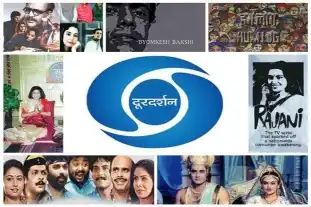
Doordarshan began as an experimental television service under All India Radio in 1959. Over the years, it has developed into a major public broadcasting network focused on news, information, culture, education and entertainment.
Doordarshan Began in 1959
Doordarshan was established on September 15, 1959, marking the beginning of television broadcasting in India. The first broadcast was inaugurated by then President Dr Rajendra Prasad.
For several years, Doordarshan operated as part of All India Radio. A major change came on April 1, 1976, when Doordarshan was separated from All India Radio and given greater operational independence to expand its television services.
Colour Television Changed Broadcasting
The introduction of colour television in 1982 was another major milestone for Doordarshan. The move coincided with the Asian Games held in Delhi and significantly changed the way television content was presented to Indian viewers.
Doordarshan later became part of the Prasar Bharati public broadcasting framework. Prasar Bharati was established as an autonomous corporation on September 23, 1997, under the Prasar Bharati Act, 1990, bringing Doordarshan and All India Radio under a unified public broadcasting structure.
Reaching Audiences Across India
Doordarshan has expanded its network over the decades and currently operates 35 satellite channels and 66 studio centres.
Its programming caters to India’s diverse linguistic and cultural communities, with content available in more than 24 languages and several dialects. Through satellite and Direct to Home services, the broadcaster has achieved extensive coverage across the country.
Iconic Shows Made Doordarshan Popular
Doordarshan has also played a major role in shaping India’s television culture through several popular programmes.
Shows including Ramayana, Mahabharat, Hum Log, Buniyaad, Chanakya, Malgudi Days, Shaktimaan, Chitrahaar, Fauji, Circus and Udaan became widely known among Indian audiences.
These programmes combined entertainment with social awareness and helped establish Doordarshan as an important part of India’s television history.
A Long-Standing Public Service Role
From its beginnings as an experimental television service to its present nationwide network, Doordarshan has remained an important platform for news, information, culture and public awareness.
Its 67th foundation day marks another milestone in the broadcaster’s long-running role in India’s media and broadcasting landscape.
