


Long before Indians became a major force in Silicon Valley, Gujarati immigrants were building a powerful business network in the US by buying and running roadside motels.
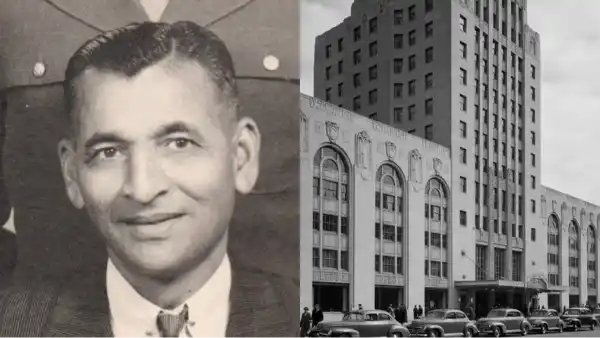
Many Patel families arrived with limited savings and relied on hard work, family networks and community support. They bought struggling motels, managed them themselves, reinvested profits and gradually expanded into larger hotels.
The Man Who Started It
Kanji Manchhu Desai played a key role in starting this journey. Born in Gujarat’s Surat district, Desai reached the US after struggling financially in Trinidad and worked as a farm labourer in California for years.
In 1942, he got his first major opportunity when he took over Sacramento’s 32-room Ford Hotel with a $350 payment and a five-year lease.
Desai later moved to San Francisco and began helping newly arrived Gujaratis enter the hotel business. He provided food, accommodation and informal loans, while encouraging them to save money and buy their own properties.
From One Motel To Thousands
As immigration rules changed, especially after the Immigration and Nationality Act of 1965, more Gujarati families arrived in the US. Family members trained at existing hotels and eventually opened businesses of their own.
This created a cycle of migration, employment, savings and reinvestment that helped the Patel community expand rapidly across the American hospitality industry.
Today, Gujarati and Indian American families own thousands of hotels and motels across the US, including properties under major international hotel brands.
Success Despite Discrimination
The community also faced discrimination from banks, insurance companies and competitors. Some Indian-owned motels struggled to obtain financing and insurance, while certain properties displayed signs claiming to be American owned.
Indian hotel owners responded by organising collectively and eventually helped establish the Asian American Hotel Owners Association.
Desai’s Lasting Legacy
Desai himself never enjoyed the wealth created by the industry he helped launch. He was deported from the US and died in London in 1965.
But his model of community support, family labour, informal lending and reinvestment continued for generations.
What began with one Gujarati immigrant and a $350 motel lease eventually grew into a major Indian American presence in the US hospitality industry.
