


India’s proposed acquisition of 114 additional Rafale fighter aircraft under the Indian Air Force’s Multi-Role Fighter Aircraft (MRFA) programme is emerging as one of the most closely watched defence modernisation plans in the Indo-Pacific region. Although the competition is still underway and no final contract has been signed, defence analysts in Pakistan have been examining the possible impact of a larger Indian Rafale fleet on the regional air balance.
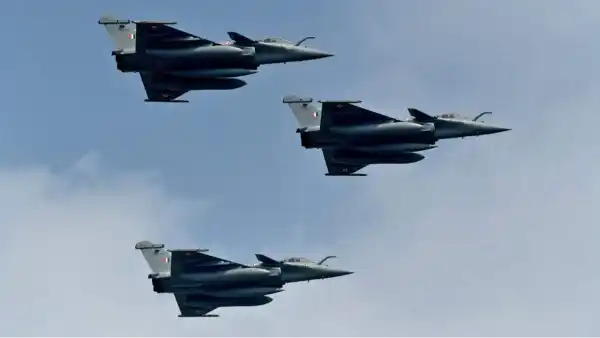
If Dassault Aviation’s Rafale is selected for the MRFA programme, India’s fleet could expand beyond the 36 Rafale fighters already inducted into the Indian Air Force, potentially creating a force of more than 150 advanced fighter aircraft over time. Such an expansion would strengthen India’s ability to conduct sustained air operations across multiple fronts while improving fleet availability, logistics support and operational flexibility.
Rafale’s Growing Role in India’s Air Power Strategy
The Rafale is considered a highly capable 4.5-generation multirole fighter, equipped with advanced radar systems, electronic warfare capabilities and long-range precision weapons. Its SPECTRA electronic warfare suite enhances survivability by providing threat detection, jamming and defensive countermeasures.
The aircraft’s integration with weapons such as the Meteor beyond-visual-range air-to-air missile gives it a significant advantage in long-distance aerial engagements. These capabilities allow the fighter to detect and engage threats before entering traditional close-range combat scenarios.
With only 36 Rafales currently in service, the Indian Air Force has had limited flexibility in deploying the aircraft across different operational sectors while maintaining training and maintenance cycles. A larger fleet would allow more sustained deployment options.
Pakistan’s Air Power Concerns
Pakistan has traditionally attempted to offset India’s larger military inventory through technological advantages, pilot training and network-centric warfare capabilities. The Pakistan Air Force currently operates platforms including the F-16, J-10CE and JF-17 Block III, which form the core of its modern fighter fleet.
However, a significantly expanded Rafale fleet could create new operational challenges for Pakistan’s defence planners. A larger number of advanced fighters equipped with modern sensors, electronic warfare systems and long-range missiles would require adjustments in air defence planning and resource allocation.
Analysts believe future air combat will depend less on aircraft numbers alone and more on integrated networks involving sensors, data links, electronic warfare and precision weapons.
Impact Beyond Fighter Numbers
The MRFA programme is also significant because of its potential industrial impact. India has been focusing on strengthening domestic aerospace manufacturing under the Make in India initiative.
If the selected fighter programme includes local production, maintenance, repair and overhaul (MRO) facilities, it could expand India’s defence manufacturing ecosystem. A stronger aerospace base would improve supply chain capabilities, create skilled employment and reduce dependence on foreign support over the aircraft’s long service life.
For India, the programme is not only about acquiring more fighters but also about developing long-term technological and industrial capabilities.
Pakistan’s Modernisation Response
The possibility of a larger Indian Rafale fleet has also renewed discussions around Pakistan’s future fighter requirements. The Pakistan Air Force has already strengthened its capabilities through the induction of Chinese-built J-10CE fighters and upgraded JF-17 Block III aircraft.
However, analysts have pointed to the growing importance of fifth-generation fighter technology. This has increased speculation around Pakistan’s interest in China’s FC-31/J-35 stealth fighter platform, though no confirmed procurement decision has been announced.
Financial limitations remain a key factor. Modern fighter aircraft require significant investment not only for acquisition but also for weapons, training, infrastructure and long-term maintenance.
India’s Need for Fighter Fleet Expansion
India’s push for additional multirole fighters is also linked to the Indian Air Force’s declining squadron strength. The retirement of ageing aircraft, including the MiG-21 fleet, has created pressure to increase operational numbers.
The MRFA programme is expected to complement India’s indigenous fighter programmes, including the Tejas Mk1A, Tejas Mk2 and the upcoming Advanced Medium Combat Aircraft (AMCA).
A larger Rafale fleet would also provide operational advantages through common logistics, training systems, weapons integration and maintenance infrastructure with existing Rafale squadrons.
A New Phase in Regional Air Power Competition
While the MRFA competition is yet to conclude, the possibility of India expanding its Rafale fleet has already influenced defence discussions across South Asia. The programme represents not just a fighter aircraft purchase but a broader effort to strengthen India’s air power, defence manufacturing capacity and strategic readiness.
If the Rafale emerges as the winner, it could become a central pillar of the Indian Air Force’s modernisation strategy for decades to come.
