


Countries around the world are increasingly imposing restrictions on social media platforms such as TikTok, Instagram, Snapchat, and others as concerns grow over data privacy, online safety, misinformation, and youth mental health.
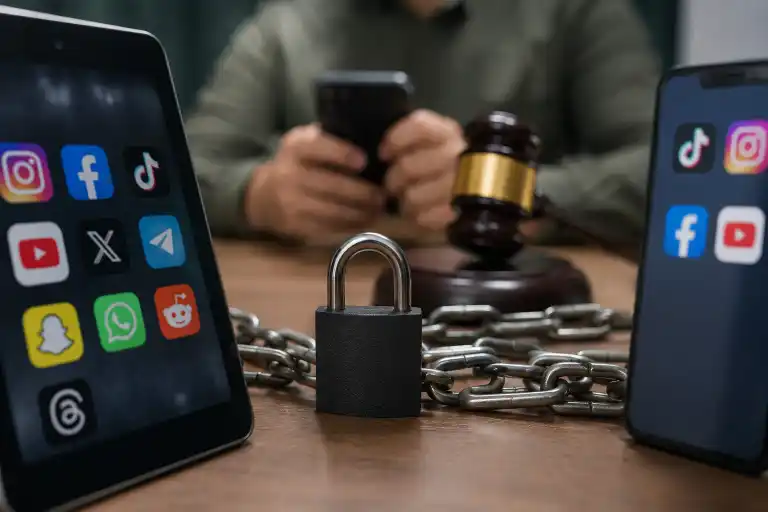
Several governments have either banned specific apps, restricted their use on government devices, or introduced age-verification requirements and tighter regulations for younger users. TikTok, in particular, has faced scrutiny in multiple countries over data security and national security concerns.
Australia has moved toward stricter controls on children’s access to social media, while several European nations are exploring tougher regulations aimed at protecting minors from harmful content and excessive screen time.
The United States has witnessed state-level restrictions on certain platforms, especially on government-owned devices, while debates continue over broader regulation of social media companies.
Countries including India have previously taken action against apps citing security and sovereignty concerns, leading to some of the largest digital platform bans in the world.
Supporters of stricter regulations argue that they help protect users, especially children and teenagers, from online risks, cyberbullying, misinformation, and addictive platform designs.
Critics, however, warn that sweeping restrictions could raise concerns about free expression, digital rights, and access to information.
As governments seek to balance innovation, safety, and privacy, social media regulation is emerging as a major global policy issue in the digital age.
