


The FIFA World Cup is not just the biggest event in football, it is also one of the most powerful economic engines in global sports. Every edition of the tournament generates billions of dollars through broadcasting rights, sponsorship deals, ticket sales, merchandising and tourism.
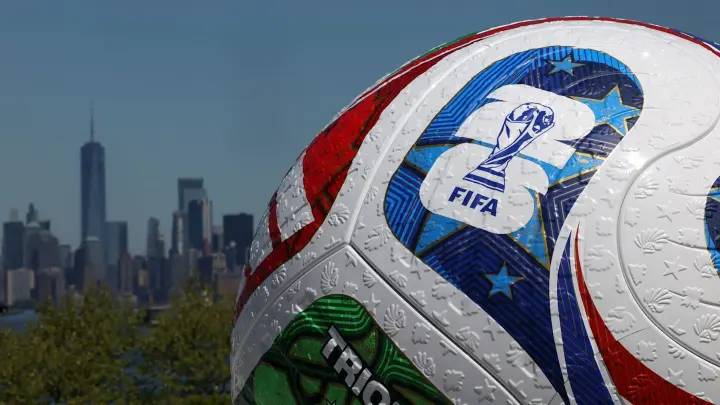
Broadcasting remains FIFA’s largest source of revenue. Global media companies pay billions of dollars for the rights to air World Cup matches, allowing the tournament to reach billions of viewers across more than 200 countries and territories.
Corporate sponsorships are another major revenue driver. Global brands compete for visibility during the tournament, signing multi-million-dollar agreements with FIFA to reach one of the largest audiences in sports.
Host nations often invest heavily in stadiums, transportation networks, airports and urban infrastructure. While these investments can boost economic activity, create jobs and improve public infrastructure, they also involve significant costs and long-term financial commitments.
Tourism receives a major boost during the tournament. Millions of fans travel to host cities, driving demand for hotels, restaurants, transportation services and local businesses. This surge in spending can inject billions into local economies.
For FIFA, the World Cup is a financial juggernaut. Revenue from a single tournament cycle can exceed several billion dollars, making it one of the most lucrative sporting events globally.
The 2026 FIFA World Cup is expected to be the biggest ever, featuring 48 teams and more matches than previous editions. The expanded format is likely to generate even greater revenues through increased broadcasting, sponsorship and fan engagement opportunities.
Ultimately, the World Cup demonstrates how modern sports have become a global business ecosystem, where economic impact extends far beyond the action on the pitch.
