


Karnataka has become the first Indian state to introduce an Alcohol-in-Beverage (AIB)-based excise duty system, marking a major shift in how liquor is taxed and priced. The new framework aims to rationalise alcohol pricing, bring consumer rates closer to those in neighbouring states like Tamil Nadu, Andhra Pradesh, Telangana, Maharashtra and Kerala, and modernise the excise structure.
The system officially came into effect on May 11, 2026, with the Karnataka Excise Department stating that this is the first time such a model has been implemented in the country. Officials described it as a globally accepted benchmark in alcohol taxation because it links duty directly to the alcohol content in beverages rather than volume.
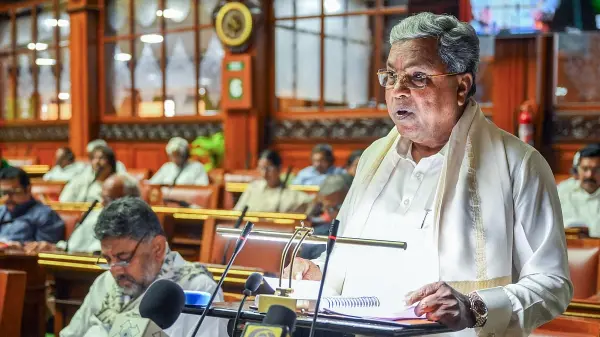
The AIB-based model was announced by Chief Minister Siddaramaiah in the 2026–27 state budget. It builds on recommendations from the KP Krishnan-led Resource Mobilisation Committee, which suggested excise reforms to improve efficiency and revenue generation. The government has set an ambitious target of ₹45,000 crore from the excise sector for the financial year 2026–27.
Under the new system, the earlier bulk litre-based taxation method has been replaced with a structure that calculates excise duty based on the percentage of alcohol in each product. This allows pricing to be more closely tied to alcohol strength, while also giving manufacturers greater flexibility in positioning their products within defined pricing slabs.
The state has also deregulated price fixation. Instead of the government strictly controlling retail prices, producers can now place products within revised slabs depending on market demand and alcohol content. The number of Indian Made Liquor (IML) slabs has been reduced from 16 to 8, simplifying the structure.
The impact on prices is mixed. Mild and lager beers with around 5% alcohol content have become cheaper by nearly 20–25%, while premium Scotch whisky prices have also seen a reduction of around 20%. At the same time, lower-end categories of Indian Made Liquor in the first five slabs have become costlier by about 20–25%.
To ensure transparency, the Excise Department has instructed manufacturers to publish revised Maximum Retail Prices (MRP) for all liquor and beer brands, including bottle sizes, in leading Kannada and English newspapers.
What this really means is a shift toward a more alcohol-content-driven tax system, where strength determines cost, and pricing is increasingly shaped by market dynamics rather than rigid government fixation.
