


India is reportedly planning to procure Russian R-37M long-range air-to-air missiles in a deal worth about $1.2 billion, with the aim of strengthening its ability to target high-value support aircraft and reshape air combat dynamics in South Asia.
Unlike traditional air battles focused on fighter-to-fighter engagement, this capability shifts attention toward disabling key support systems like airborne warning aircraft, refuelling tankers, and command platforms that coordinate modern air operations.
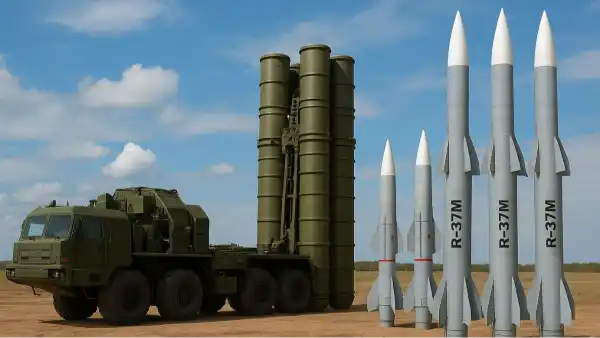
The R-37M, known for its extreme range of over 300 km, is designed to strike such strategic targets well beyond standard engagement distances, potentially reducing an opponent’s overall aerial effectiveness by disrupting its support network.
The move is seen as a response to lessons from recent regional tensions, where long-range missile-equipped aircraft highlighted gaps in India’s air combat reach. It is also viewed as a bridge capability until domestic long-range missile programs mature.
Overall, the acquisition signals a shift in strategy toward neutralising the backbone of enemy air operations rather than relying only on direct fighter engagements, potentially changing the future airpower balance in the region.
