


India is formally exploring participation in one of Europe’s sixth-generation fighter jet programs, signaling that the Indian Air Force (IAF) could collaborate on developing next-generation combat aircraft beyond the homegrown 5th-generation AMCA.
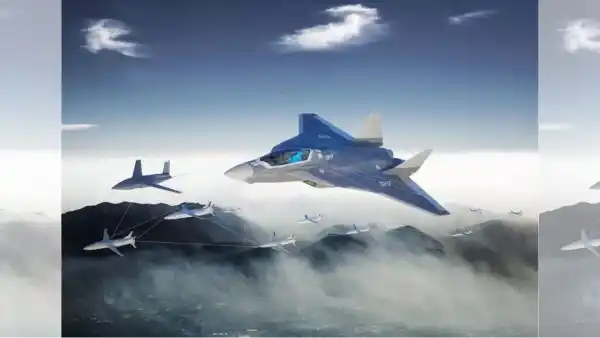
Potential European Partnerships
The Ministry of Defence (MoD) has informed the Parliamentary Standing Committee on Defence that the IAF is evaluating collaboration with either:
- Global Combat Air Programme (GCAP) – UK, Italy, Japan (formerly Tempest)
- Future Combat Air System (FCAS) – France, Germany, Spain
The IAF aims to ensure India remains at the forefront of advanced combat aircraft technologies.
What Makes a Sixth-Generation Fighter
Sixth-generation jets go beyond current stealth fighters like the F-22, F-35, or China’s J-20. Features include:
- Networked “systems of systems” with drone swarms
- AI-assisted autonomous combat operations
- Advanced sensors and electronic warfare suites
- Adaptive-cycle engines for better efficiency
- Directed-energy weapons
- Extremely low observability
These aircraft are designed for dense, highly contested battle environments dominated by electronic warfare and autonomous systems.
Global Race for Next-Generation Combat Jets
The US is developing the F-47, while China is advancing its stealth platforms. Real-world conflicts, like the war in Iran, show the growing importance of stealth, electronic warfare, and drones in modern combat.
India’s Current and Future Plans
India is accelerating its AMCA program, expected to produce operational fighters within the next decade. Meanwhile, planning for sixth-generation capabilities is now an official priority to secure India’s long-term air power position.
European Programs Overview
- GCAP: UK, Italy, Japan; potential operational sixth-generation fighter by mid-2030s.
- FCAS: France, Germany, Spain; similar timeline but facing delays.
Both aim to field stealth fighters supported by unmanned “remote carriers” and integrated digital combat systems. France is encouraging India to consider FCAS, leveraging India’s existing Rafale partnership.
Strategic Implications for India
Joining a sixth-generation program would allow Indian scientists and industry early access to advanced propulsion, AI, sensors, and materials technologies. It also signals India’s intent to remain among the world’s top combat aviation powers into the 2040s. Participation would place India in a select group shaping the future of air combat.
