


India’s growing waste management challenge could become an opportunity for clean energy production. Union Road Transport and Highways Minister Nitin Gadkari has highlighted Nagpur’s municipal waste-to-compressed biogas (CBG) project, which could emerge as India’s largest waste-to-wealth initiative once production reaches 36 tonnes per day.
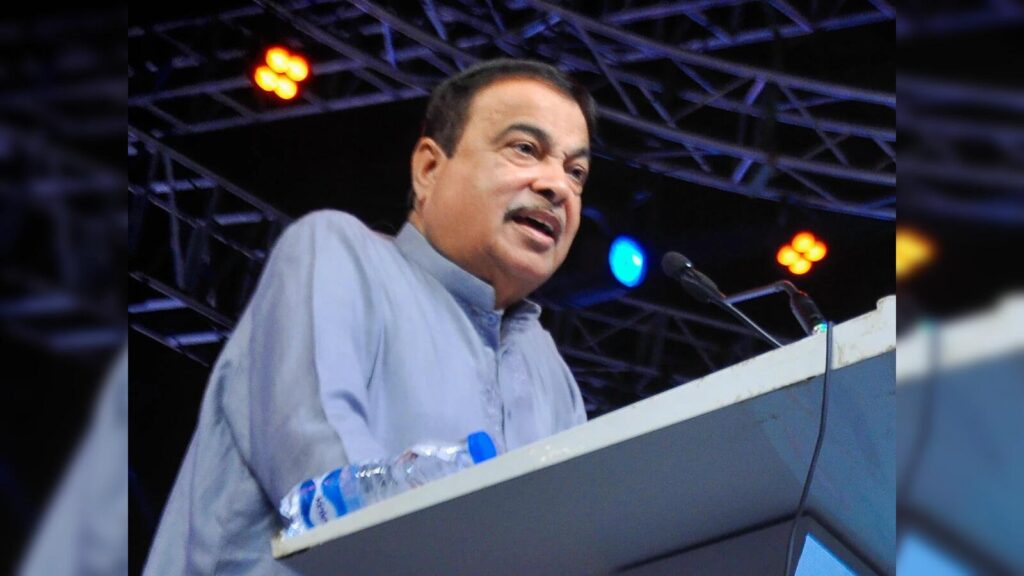
Speaking at a national conference on biogas and compressed biogas in Nagpur, Gadkari said the facility is already producing 16 tonnes of CBG daily. The project, which converts organic municipal waste into fuel, could significantly expand its output in the coming phase.
The Economic Times+1
From Municipal Garbage to Clean Fuel
The Nagpur Municipal Corporation launched the waste-to-CBG initiative around three years ago. Despite several implementation challenges, the project has reached a daily production capacity of 16 tonnes.
Gadkari said increasing production to 36 tonnes per day would make it the country’s biggest waste-to-wealth project.
The initiative demonstrates how organic waste generated in cities can be processed into commercially useful fuel instead of being sent to landfills.
Farmers Can Become Energy Producers
Gadkari also called on farmers to move beyond traditional agricultural production and become suppliers of energy and industrial raw materials.
He highlighted the potential of converting agricultural residue into biogas, aviation fuel, hydrogen, bitumen and isobutanol.
Some of the materials that can be used for biofuel production include:
- Rice straw and wheat straw
- Cotton stalks and agricultural residue
- Sugarcane bagasse
- Press mud from sugar mills
- Spent wash from distilleries
He said technological improvements have made it possible to use these materials as biomass for producing alternative fuels. The process can also generate liquid organic fertiliser, creating additional value for agriculture.
Gobardhan Scheme to Support CBG Projects
Gadkari highlighted the government’s Gobardhan scheme as a support mechanism for biogas and compressed biogas projects.
He urged policymakers and industry representatives in Maharashtra to encourage more such facilities, particularly across the Vidarbha region, where agricultural residue is available in large quantities.
The minister said commercially viable projects require three key elements: sufficient raw materials, proven technology and a market for the finished products.
Ethanol Production Can Improve Farmers’ Income
Gadkari also cited maize-based ethanol production as an example of how the biofuel industry can create new markets for agricultural produce.
According to the minister, maize prices increased from around ₹1,200 per quintal to ₹2,600 after the government encouraged ethanol production from the crop. He also claimed that farmers in Bihar and Uttar Pradesh earned ₹45,000 crore through this development.
He argued that greater demand for agricultural crops and residue from the energy sector could provide farmers with additional income opportunities.
Reducing India’s Energy Import Dependence
India spends an estimated ₹22 lakh crore on energy imports, according to Gadkari. He said locally produced biofuels and alternative energy sources could help reduce this dependence while creating economic opportunities.
Nagpur’s waste-to-CBG project offers an example of how urban waste management and renewable energy production can work together. Scaling up such initiatives could support cleaner cities, additional fuel supplies and a wider market for agricultural waste.
The larger goal is to turn waste into an economic resource while strengthening India’s domestic energy production.
