


PepsiCo India is expanding its sustainable logistics operations by increasing its electric freight truck fleet to 15 vehicles, nearly doubling the number deployed when the initiative began in March 2026. The company has also extended electric truck operations from one manufacturing location to three, covering Kosi in Uttar Pradesh, Guwahati in Assam and Pune in Maharashtra.
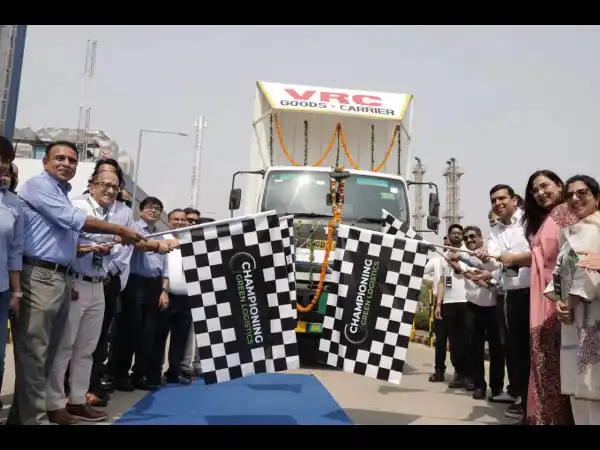
With this expansion, PepsiCo India’s electric freight fleet is expected to cover approximately 9 lakh kilometres annually, compared with 4.8 lakh kilometres at the programme’s launch. The development is part of the company’s efforts to reduce emissions across its supply chain and build a cleaner transportation network.
Electric Freight Operations Expand to Three Locations
PepsiCo India launched its electric freight initiative in March 2026 with eight retrofitted electric trucks operating from its Kosi manufacturing plant in Uttar Pradesh. The trucks were deployed for freight movement along the Kosi-Pataudi route.
The programme has now expanded to include manufacturing operations in Guwahati and Pune. The fleet consists of 32-foot electric container trucks designed for commercial freight transportation.
The expansion has nearly doubled the annual distance covered by electric freight operations, demonstrating the company’s efforts to increase the use of electric vehicles in long-distance logistics.
More Than 950 Vehicles Electrified for Last-Mile Delivery
Alongside heavy freight transportation, PepsiCo India has electrified more than 950 distributor-linked three- and four-wheelers across different markets. These vehicles support last-mile delivery and help reduce the environmental impact of product distribution.
The company is also working with technology providers, logistics operators and distributors to address operational challenges and develop electric mobility solutions that can be expanded across its supply chain.
Biomass Accounts for 97% of Fuel Mix
PepsiCo India is also increasing the use of alternative fuels across its manufacturing operations. Biomass currently accounts for 97% of the company’s fuel mix, supporting its efforts to reduce dependence on conventional fuels.
These initiatives form part of PepsiCo’s PepsiCo Positive (pep+) sustainability agenda, which focuses on integrating environmental considerations across its operations and supply chain.
Through electric freight, last-mile vehicle electrification and alternative fuel adoption, PepsiCo India aims to demonstrate the operational and commercial potential of cleaner logistics solutions and encourage wider industry adoption.
