


Union Finance Minister Nirmala Sitharaman is set to hold a special consultation with young people, including Gen Z representatives, as part of preparations for the Union Budget 2027-28. The initiative will bring youth perspectives into the government’s formal pre-Budget consultation process for the first time.
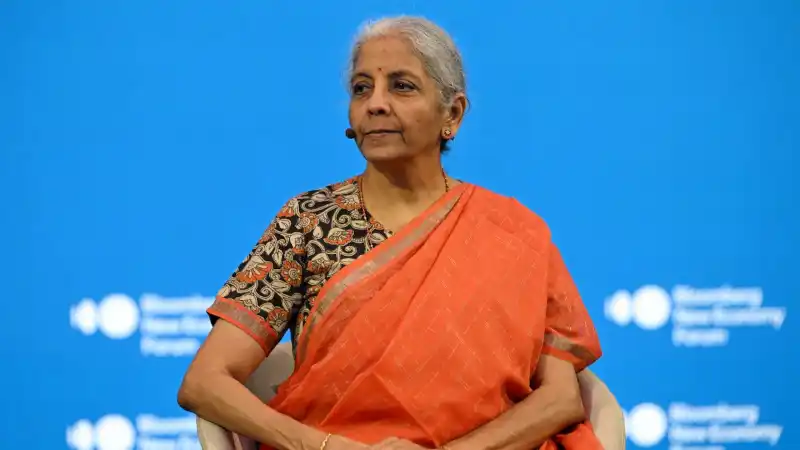
The consultation exercise began on November 16, 2026, with a meeting between Sitharaman and leading economists. The Finance Ministry is scheduled to hold discussions with 14 stakeholder groups, including a dedicated ‘Yuva’ group, experts and bureaucrats, as well as representatives from different sectors of the economy.
The move aims to gather suggestions from younger generations on economic priorities and issues that affect their future, including employment, education, entrepreneurship and opportunities in a changing economy.
Youth to Join Formal Budget Consultations
The special youth session marks a new addition to the annual process through which the Finance Ministry gathers feedback before finalising the Budget. The government is expected to seek views from young people on their aspirations, challenges and expectations from economic policy.
The initiative follows the government’s emphasis on youth participation in the previous Budget. While presenting the Union Budget 2026-27, Sitharaman described it as a ‘Yuva Shakti-driven Budget’ and referred to ideas shared with Prime Minister Narendra Modi during the Viksit Bharat Young Leaders Dialogue 2026.
The upcoming consultation is expected to provide a more direct channel for young people to communicate their priorities to policymakers.
Consultations Across 14 Stakeholder Groups
The Finance Ministry’s pre-Budget discussions are scheduled to continue until November 26. Separate meetings will cover agriculture, capital markets, banking, insurance, manufacturing, infrastructure, healthcare, labour, startups, energy, MSMEs and education, alongside youth representatives and experts.
The first round of discussions on November 16 focused on fiscal consolidation, expenditure pressures and the economic impact of the West Asia conflict, particularly higher oil prices.
Economists advised the government to maintain its debt-reduction path despite pressures from rising expenditure and the potential financial implications of the Eighth Pay Commission. A possible reduction in long-term capital gains (LTCG) tax was also discussed.
Fiscal Priorities Ahead of Budget 2027-28
The government has set a target of reducing India’s debt-to-GDP ratio to 50%, with a tolerance band of one percentage point, by 2030-31. Economists also suggested treating the oil price shock as a temporary disruption rather than allowing it to affect the medium-term fiscal consolidation roadmap.
The consultations are part of the government’s wider exercise to gather recommendations from different sections of the economy before preparing the next financial year’s proposals.
The Union Budget 2027-28 is expected to be presented on February 1, 2027. The inclusion of a dedicated youth consultation signals an effort to bring younger voices into discussions on employment, growth, skills, education and India’s long-term economic priorities.
