


Jensen Huang’s journey from cleaning toilets at a boarding school and washing dishes at a restaurant to building a $4.5 trillion technology empire is one of the most extraordinary stories in the global technology industry. The Nvidia co-founder transformed a small graphics chip company into a central force in the artificial intelligence revolution. However, after leading the company for 33 years, Huang’s tenure came to an abrupt end on November 12, 2026, when he resigned as CEO and left its board.
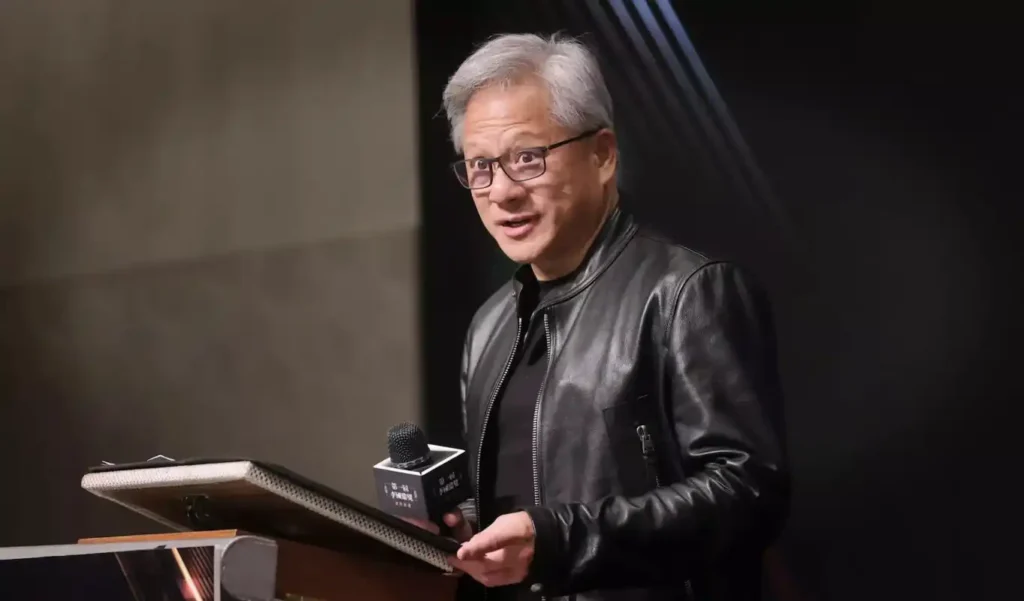
His departure marks a significant turning point for Nvidia, a company whose growth and global influence have been closely associated with its co-founder.
A difficult childhood and early jobs
Born Jen-Hsun Huang in Taipei, Taiwan, in 1963, Huang spent part of his childhood in Thailand before moving to the United States with his brother at the age of nine.
His parents sent the boys to Oneida Baptist Institute, a boarding school in Kentucky. Huang later recalled facing bullying and difficult conditions there. As part of his school responsibilities, he had to clean the bathrooms in the boys’ dormitory.
After reuniting with his family in Oregon, Huang attended school and developed an interest in computers and engineering.
At 15, he began working at Denny’s, an American restaurant chain. He started as a dishwasher, later became a busboy and eventually worked as a waiter. The experience taught him discipline, responsibility and the value of hard work.
From engineering student to Nvidia founder
Huang studied electrical engineering at Oregon State University, where he met his future wife, Lori. He later earned a master’s degree in electrical engineering from Stanford University.
Before starting his own company, he worked as a chip designer at Advanced Micro Devices (AMD) and LSI Logic.
In 1993, Huang joined fellow engineers Chris Malachowsky and Curtis Priem to establish Nvidia. The idea emerged during a meeting at a Denny’s restaurant in San Jose, California. The three founders started the company with an initial investment of $40,000.
Nvidia initially focused on graphics processing technology for personal computers and video games. Its GeForce 256, launched in 1999, became widely recognised as the world’s first GPU.
How Nvidia became an AI powerhouse
Nvidia’s biggest transformation came when its graphics processing units began finding applications beyond gaming.
Researchers discovered that GPUs could handle the large volumes of calculations required for artificial intelligence and machine learning. Nvidia’s investment in GPU computing and its CUDA software platform helped position the company at the centre of the emerging AI industry.
The launch of ChatGPT in 2022 accelerated demand for Nvidia’s processors as technology companies began investing heavily in AI infrastructure.
Nvidia’s market value rose from approximately $420 billion in late 2022 to $4.5 trillion by November 2026, turning it into one of the most valuable companies in the world.
Huang’s personal fortune also grew significantly, placing him among the world’s wealthiest technology leaders.
Sudden exit after 33 years
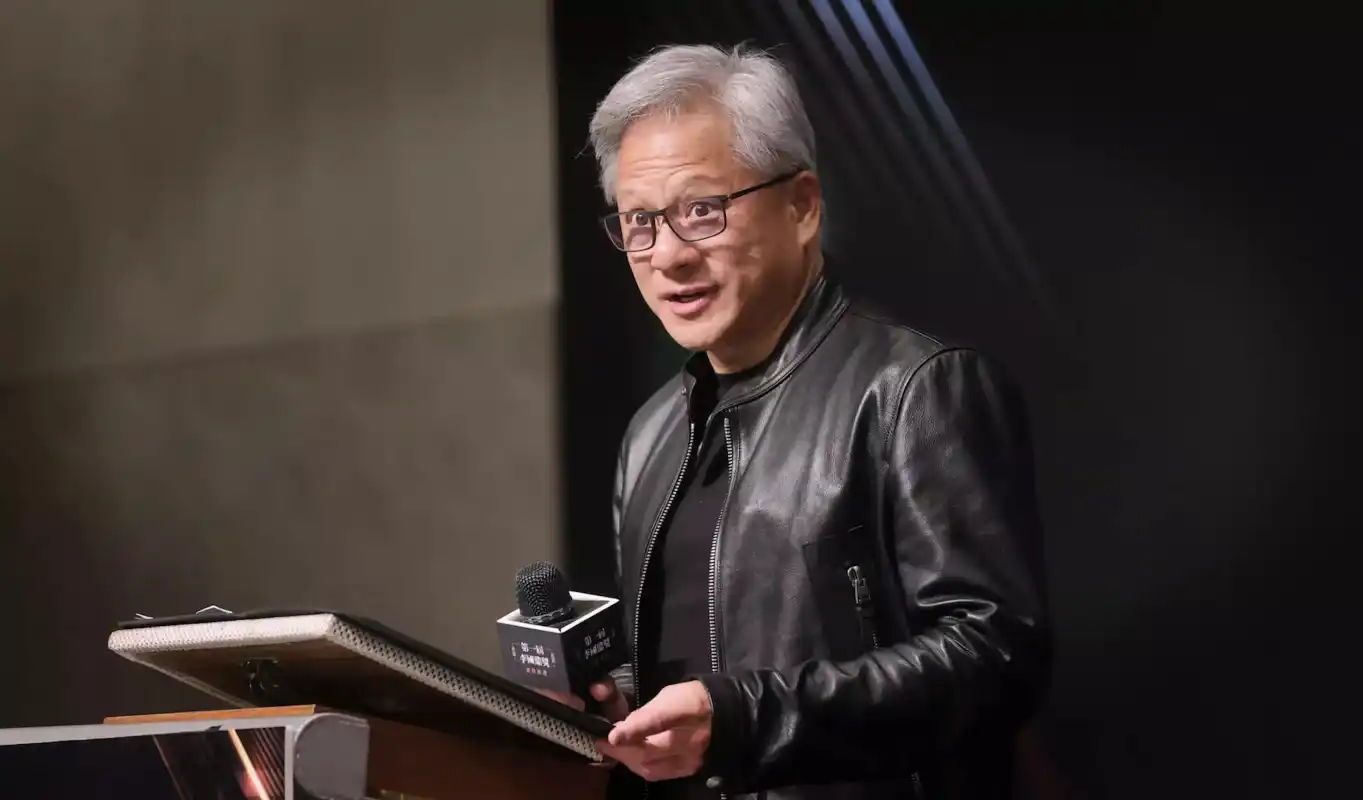
On November 12, 2026, Nvidia announced that Huang had resigned as President, CEO and board member with immediate effect. The company did not provide a reason for his departure in its official announcement.
His exit followed intense public scrutiny and a board investigation linked to allegations involving a Chinese businesswoman. Huang acknowledged being unfaithful to his wife and took responsibility for his actions. The allegations concerning possible intelligence links have not been independently verified, and China has rejected claims made against it.
Nvidia appointed longtime CFO Colette Kress as interim CEO while the board begins its search for a permanent successor. Harvey C. Jones was appointed as the company’s first-ever board chairman.
What lies ahead for Nvidia?
Huang’s departure raises questions about the future leadership of a company that has been closely identified with its founder for more than three decades.
Nvidia’s board has expressed confidence in Kress and its existing leadership team, stating that the company’s operations, customer commitments and technology roadmap are expected to continue without interruption.
For Nvidia, the immediate priority is maintaining its position in the global AI market while managing the leadership transition. For Huang, the exit closes a remarkable chapter that took him from humble beginnings to the leadership of one of the world’s most influential technology companies.
