


Nvidia CEO Jensen Huang is facing growing scrutiny following fresh reports of an alleged relationship with a senior company executive, adding to a controversy that has raised questions about his leadership and the chipmaker’s corporate governance.
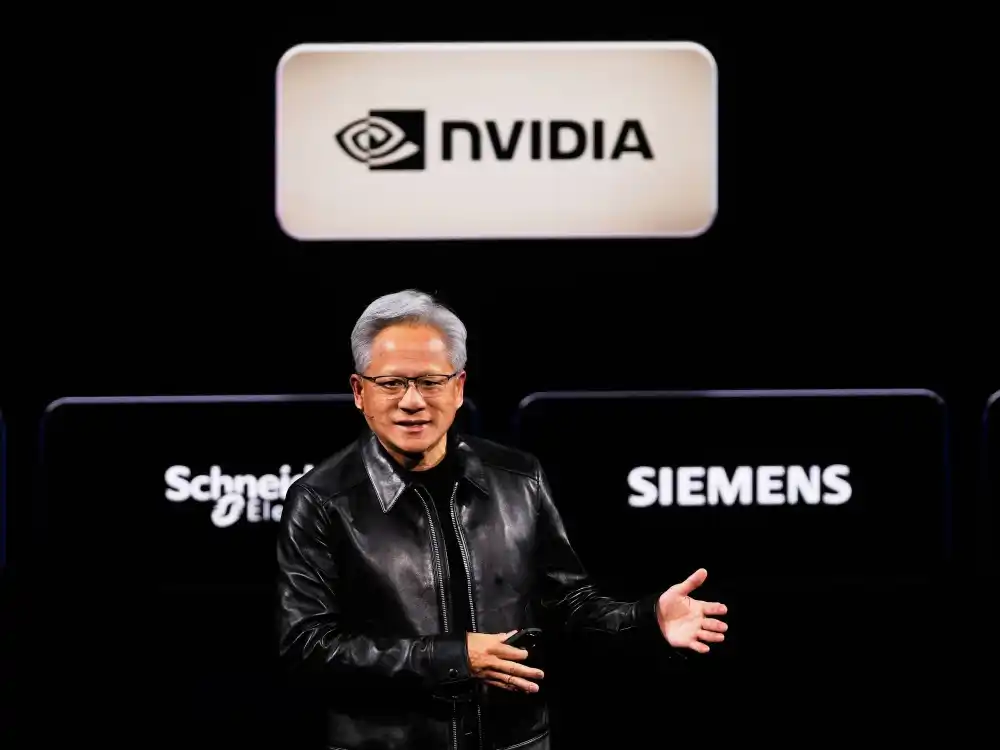
A report by The New York Times, alleged that Huang had an extramarital relationship with Kimberly Powell, Nvidia’s Vice President of Healthcare. The report cited five people who previously worked at the company. Neither Nvidia nor Powell had publicly responded to the allegations at the time of reporting, and Reuters said it could not independently verify the claims.
The development comes days after Huang acknowledged being unfaithful to his wife in a message to employees. Nvidia’s board had already initiated an independent investigation into reports that Huang may have been targeted by a foreign intelligence operation through a separate relationship with a Chinese businesswoman identified in media reports as Alice Huang.
The controversy has now escalated into a leadership crisis. According to Reuters, Nvidia’s board was meeting on Wednesday, November 11, to consider whether Huang should continue as CEO, following a Wall Street Journal report that the company was preparing to remove him.
Who Is Kimberly Powell?
Kimberly Powell is Nvidia’s Vice President of Healthcare and a long-serving executive who joined the company in 2008. She has played a role in developing Nvidia’s healthcare technology business, which uses accelerated computing and artificial intelligence across medical imaging, life sciences, drug discovery and healthcare analytics.
Powell’s professional background includes engineering and medical imaging. In her current role, she oversees Nvidia’s healthcare business and related technology platforms.
The New York Times report alleged that Powell had a relationship with Huang and reported directly to him. These claims have not been publicly confirmed by either individual or Nvidia.
Why Is Nvidia Investigating Jensen Huang?
The controversy initially emerged following reports about Huang’s alleged relationship with Alice Huang, a Chinese businesswoman whom US intelligence reportedly suspected of facilitating the movement of Nvidia chips to Chinese companies.
The allegations raised national security concerns because US export controls restrict China’s access to certain advanced semiconductor technologies. Nvidia’s board subsequently announced an independent investigation, overseen by a committee of independent directors and supported by external legal counsel.
Huang acknowledged being unfaithful to his wife in an internal message, apologised to his family and employees, and said he would cooperate fully with the investigation.
Nvidia’s board had earlier stated that it had no reason to believe that company secrets or US national security had been compromised. The investigation is intended to examine the available information.
China’s Foreign Ministry has rejected the espionage allegations as unfounded.
Nvidia Board Considers Huang’s Future
The latest reports have put Huang’s position at the company under greater scrutiny. Reuters reported that Nvidia’s board was meeting to decide whether to remove him. Under the company’s bylaws, the CEO can be removed with or without cause through a majority vote of the board.
Nvidia has 11 directors, with all but Huang considered independent. The board has also reportedly been working with an external firm to identify potential successors.
Huang co-founded Nvidia in 1993 with Chris Malachowsky and Curtis Priem. He has led the company through its transformation from a graphics-chip manufacturer into a major supplier of processors powering artificial intelligence systems.
His potential departure would create a significant leadership transition at the company, which has become central to the global AI industry. Nvidia’s Chief Financial Officer Colette Kress has been discussed as a possible interim leader in media reports, although no succession decision has been announced.
Market Reaction and Wider Implications
The leadership uncertainty has also affected investor sentiment. Nvidia shares fell around 8% in after-hours trading following reports that the board was preparing to remove Huang.
Investors are closely watching the developments ahead of the company’s quarterly earnings announcement scheduled for November 17. Huang’s role in Nvidia’s technology strategy, customer relationships and global expansion makes the leadership question particularly significant for the semiconductor industry.
For now, the allegations involving Kimberly Powell remain media-reported claims, while the board’s investigation and deliberations over Huang’s future are ongoing. No final decision on his position had been announced at the time of reporting.
