


Karnataka’s latest bus fare hike has brought the financial health of the state’s public transport corporations into focus. While the government continues its Shakti scheme, which provides free bus travel to eligible women, passengers who pay for their tickets are now facing higher travel costs.
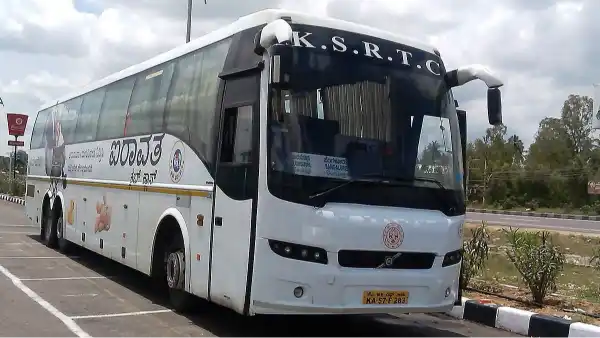
Effective November 5, Bengaluru Metropolitan Transport Corporation (BMTC) fares increased by an average of 33–35%. The Karnataka State Road Transport Corporation (KSRTC), North Western Karnataka Road Transport Corporation (NWKRTC) and Kalyana Karnataka Road Transport Corporation (KKRTC) implemented an average fare increase of 23%.
This follows a 15% fare revision in January 2025. In Bengaluru, the minimum ordinary BMTC ticket fare has increased from ₹6 to ₹10, while the maximum fare has risen from ₹35 to ₹45. The maximum fare on AC Vajra buses has increased from ₹75 to ₹90. The maximum fare on Vayu Vajra airport services has gone up from ₹405 to ₹425.
For regular commuters, even small increases can add up. A passenger making two daily journeys over 26 working days could spend an additional ₹208 a month if each journey becomes ₹4 more expensive.
Shakti Scheme and the Reimbursement Question
Launched in 2023, the Shakti scheme allows eligible women to travel free on specified categories of government buses in Karnataka. The scheme aims to improve women’s mobility and access to employment and education while reducing household travel expenses.
According to government figures, around 74.4 lakh women use the scheme every day across the state’s four transport corporations. The corporations carry approximately 1.24 crore passengers daily.
Free travel does not mean the service has no cost. The state government reimburses the transport corporations for eligible journeys. Transport Minister Bairathi Suresh has said that the government has paid ₹16,589 crore under the scheme, while approximately ₹5,000 crore remains pending. Reports have also put the total dues owed to the four corporations at ₹6,362 crore.
The outstanding payments have raised questions about the impact of reimbursement delays on the corporations’ cash flow. These organisations must regularly meet expenses such as diesel purchases, employee salaries, vehicle maintenance, spare parts and new bus procurement.
However, the state government has not accepted that pending Shakti reimbursements are the reason for the latest fare increase. The minister has maintained that the government reimburses the cost of free travel and that the fare revision should not be directly linked to the scheme.
Mounting Losses and Operating Costs
Reports published on November 4 put the accumulated losses of Karnataka’s four transport corporations at around ₹10,200 crore. Their outstanding liabilities and financial obligations reportedly exceeded ₹9,912 crore as of September 30. These include provident fund dues, fuel payments and employee-related benefits.
The transport department has said that fuel and employee-related expenses account for around 80% of total operating costs. Delays in government payments can also increase the need for borrowing or other financial arrangements to meet routine expenses.
The government has primarily cited rising diesel prices to justify the fare revision. Minister Bairathi Suresh said that diesel prices had increased by ₹10.47 per litre since May 15, creating an additional annual financial burden of around ₹2,000 crore for the four corporations. He attributed the increase to central government measures.
While higher fuel prices add to operating costs, they are not the only factor influencing the corporations’ financial position. Salaries, outstanding liabilities, operational efficiency and the timing of government reimbursements also need to be considered.
Will Higher Fares Solve the Crisis?
The transport minister has estimated that the fare revision could reduce the corporations’ losses by around 25%. This indicates that the increase is expected to provide partial relief rather than make the corporations financially self-sustaining.
The Public Transport Fare Regulatory Committee, led by retired IAS officer Atul Kumar Tiwari, had recommended fare increases of 25% for three corporations and 40% for BMTC, according to reports. The government implemented lower increases than those recommendations.
Higher ticket revenue may ease some financial pressure, but it cannot address all the underlying issues on its own. Timely settlement of government dues, better cost management, improved operational efficiency and additional revenue sources will also be important.
The fare increase has a direct impact on daily wage workers, private-sector employees, small traders, students who are not eligible for free travel and other regular commuters. Inter-state bus services connecting Karnataka with neighbouring states, including Kerala, may also be affected by the revised fares.
The key question is whether the cost of a social welfare scheme is being adequately and consistently funded by the government, and whether the financial burden is being distributed fairly. Establishing a direct link between the Shakti scheme and the fare hike would require a transparent comparison of subsidy commitments, payments made, ticket revenue and the operating cost of each journey.
Free public transport can support women’s mobility and economic participation. Its long-term sustainability, however, depends on a reliable funding mechanism. Timely subsidy payments, public disclosure of transport corporation accounts, improved fuel efficiency and targeted support for financially vulnerable paying passengers are all important parts of that discussion.
