


India is prepared to manufacture tunnel boring machines (TBMs) domestically if China restricts their exports, Commerce and Industry Minister Piyush Goyal said on November 3. His remarks come after Beijing announced new export-licensing requirements for tunnel boring machines and related equipment, which will take effect from November 18, 2026.
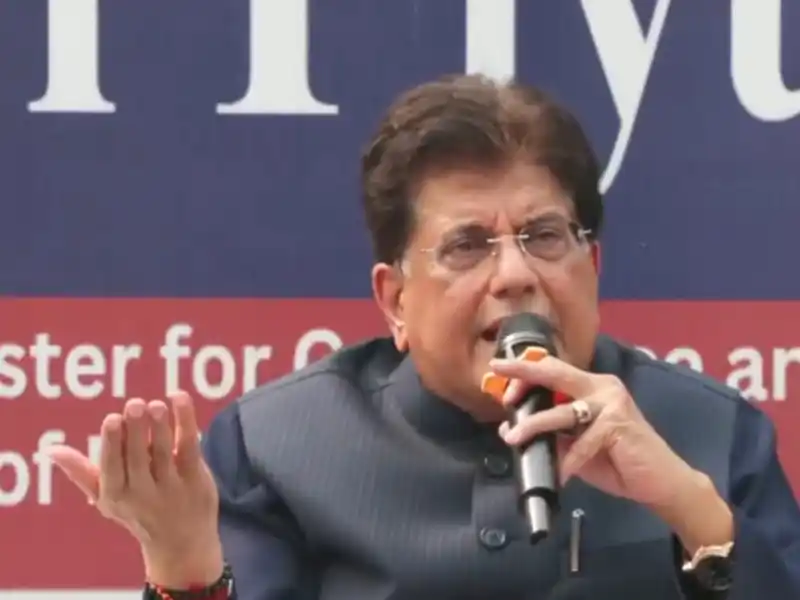
Speaking at the Young Leaders Discourse Forum at Kirori Mal College in Delhi, Goyal said India would develop the technology at home rather than compromise its strategic interests to secure supplies. He also said India wanted to maintain good relations with China, provided there were no further trade-related hurdles.
China’s Export Controls Raise Supply Concerns
China announced the new restrictions on October 19. Under the rules, exporters will need licences to ship specified tunnel boring machines and related equipment under its dual-use export control framework.
TBMs are essential for constructing underground metro networks, railway corridors, road tunnels and other major infrastructure projects. Any disruption in supplies could affect procurement timelines and the availability of components and spare parts for existing machines.
India has faced delays in procuring Chinese-made tunnelling equipment in the past, including machinery required for major infrastructure projects such as the Mumbai-Ahmedabad bullet train corridor.
India Steps Up Domestic Manufacturing
India has already started building capabilities in tunnel boring machine manufacturing. Railway Minister Ashwini Vaishnaw recently said the country was producing machines with diameters of 8 metres and 15 metres, with plans to manufacture machines exceeding 16 metres.
A TBM manufacturing facility is also operational in Tamil Nadu, as India works to develop domestic capabilities across design, production and maintenance.
The government is also looking to reduce dependence on China for critical materials such as rare earths. Goyal said Indian startups were developing motors that do not use rare-earth materials while maintaining comparable quality and efficiency.
The broader effort is part of India’s push to strengthen domestic manufacturing and secure supply chains for strategically important technologies.
