


The Indian Navy will commission Mangrol, its third Anti-Submarine Warfare Shallow Water Craft (ASW-SWC), on October 12, 2026, at the Naval Dockyard in Mumbai. Built by Cochin Shipyard Limited (CSL) in Kochi, the vessel is designed to detect and counter underwater threats in coastal and shallow waters.
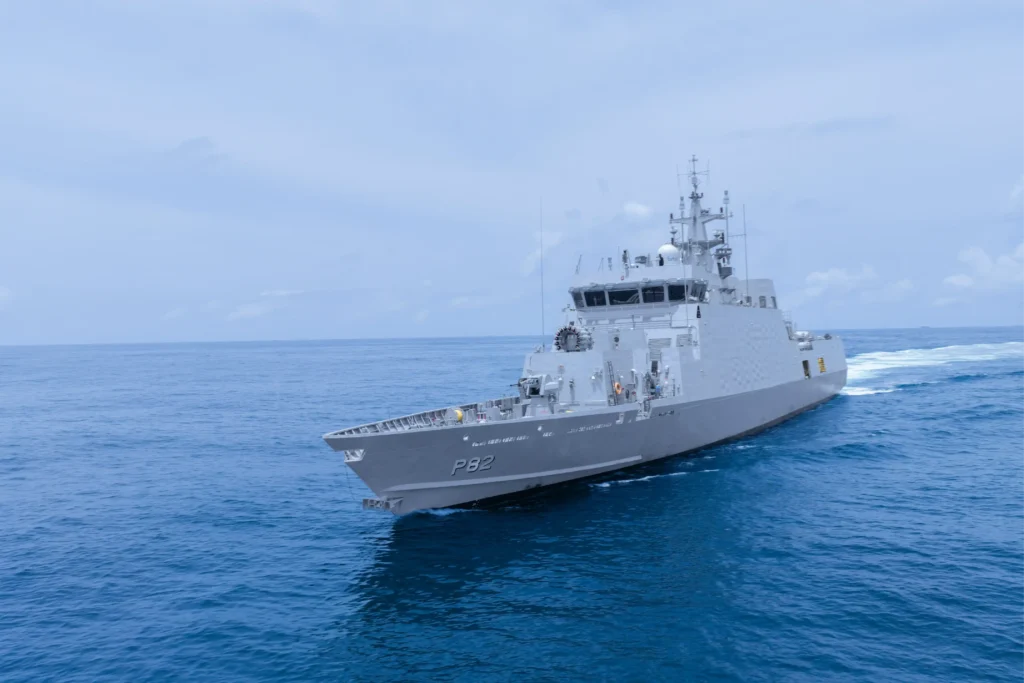
Vice Admiral Sanjay Vatsayan, Flag Officer Commanding-in-Chief of the Western Naval Command, will preside over the commissioning ceremony. Senior naval and defence officials, representatives from the Ministry of Defence and CSL, veterans, and indigenous weapons and sensor manufacturers are expected to attend.
Over 80% Indigenous Content
Built with more than 80% indigenous content, Mangrol reflects India’s growing capabilities in warship design, construction and the integration of advanced weapons and sensors. The vessel was constructed under the government’s Make in India and Aatmanirbhar Bharat initiatives, supporting India’s push for self-reliance in defence manufacturing.
The ship is named after Mangrol, a coastal town and fishing harbour in Gujarat’s Junagadh district. It also carries forward the legacy of the former INS Mangrol (M85), a minesweeper that served the Indian Navy until April 7, 2004.
Advanced Weapons and Sensors
Mangrol is equipped with the Abhay hull-mounted sonar, lightweight torpedoes, an indigenous anti-submarine rocket launcher and the Maareech Advanced Torpedo Decoy System. These systems are designed to support underwater surveillance and anti-submarine operations.
Powered by three diesel engines and waterjet propulsion, the vessel offers high manoeuvrability in shallow waters. It can also undertake low-intensity maritime operations and tasks related to mine warfare.
Strengthening Coastal Security
The induction of Mangrol will enhance the Indian Navy’s anti-submarine warfare capabilities, particularly in coastal areas where larger warships may face operational limitations. The vessel can work alongside maritime patrol aircraft, helicopters and other warships to detect and counter submarine threats.
Its deployment will support the protection of ports, harbours and coastal approaches while contributing to broader fleet operations. The commissioning also highlights the role of indigenous shipyards and defence technology manufacturers in strengthening India’s maritime security and operational preparedness.
