


Delhi’s Indira Gandhi International Airport is set for a major expansion under a new master plan, with investment estimated at around ₹7,000 crore. The plan aims to increase the airport’s annual passenger-handling capacity to around 125 million from the current 106 million.
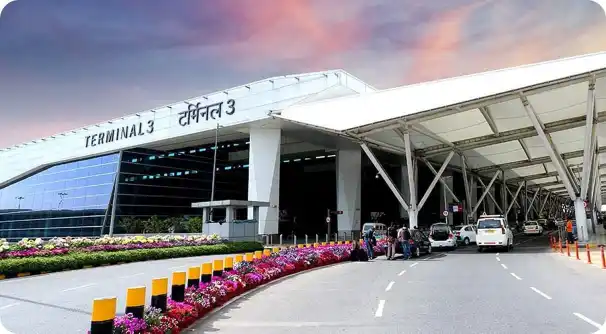
The expansion will cover terminal upgrades, additional aircraft stands and improved passenger-processing infrastructure. Terminal 1’s annual capacity is planned to rise to 45 million passengers from 42 million, while Terminal 3 will increase to around 66 million from 50 million. Terminal 2 will continue to handle around 14 million passengers annually.
A major component of the plan is a 7.3-km Automated People Mover (APM), or airport air train. The driverless system is expected to be operational around 2030 and will connect Terminal 1 and Terminal 3, along with Aerocity and the airport’s cargo area.
The APM will have six stations and is expected to take around 13 minutes to travel between Terminal 1 and Terminal 3. Construction is expected to take about 30 months once work begins, with design work already underway.
The airport also plans to increase aircraft stands from around 228 to about 270. The wider expansion is being planned in phases, with some projects expected to be completed within five years and others extending to 2036.
Delhi airport handled around 79 million passengers in FY26 and is expected to handle about 82 million in FY27. The new infrastructure is aimed at accommodating future traffic growth while improving connectivity between terminals and key airport facilities.
