


India needs a “UPI moment” for cybersecurity to make digital safety as accessible, standardised and widespread as digital payments, said Dr Saji Gopinath, Vice-Chancellor of Kerala Digital University, at the Kerala Cyber Suraksha Summit.
He stressed that cybersecurity has moved beyond being a technical concern and is now critical to economic resilience and public safety as digital technology becomes deeply embedded in businesses, institutions, startups and households.
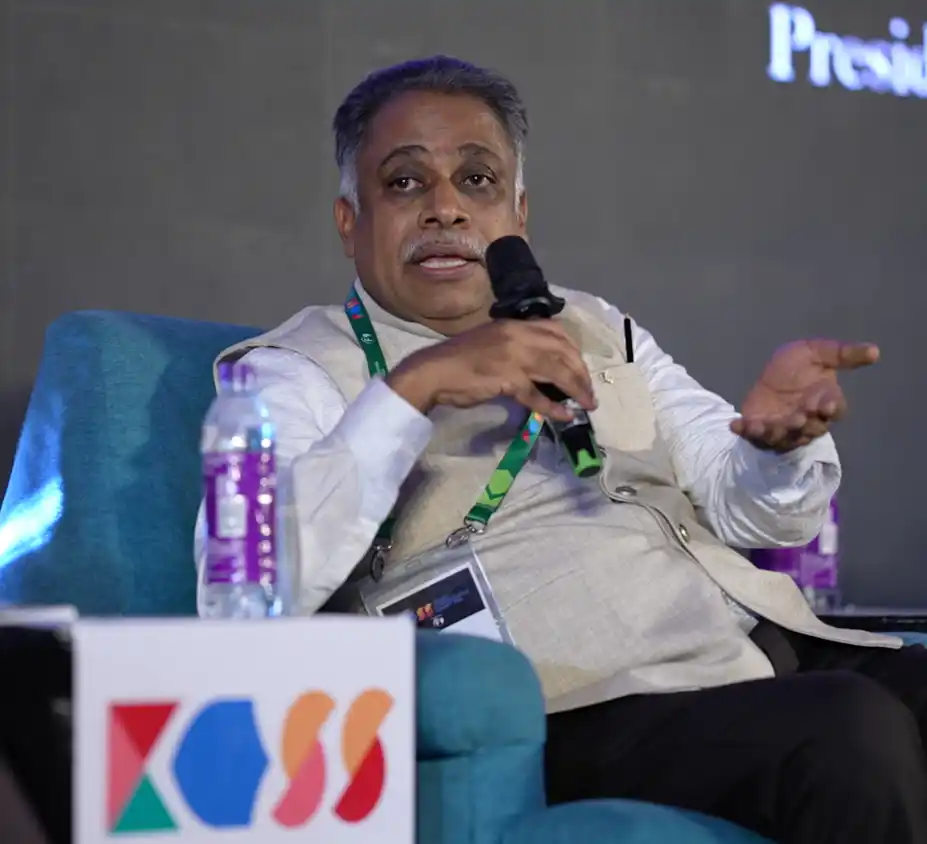
Dr Gopinath identified digital hygiene and mass awareness as the first step towards building cyber resilience. With varying levels of digital literacy across society, people need greater awareness of what technologies to use, how to use them safely and what to avoid. He suggested leveraging youth and community initiatives such as the National Service Scheme (NSS) as digital hygiene ambassadors.
The second priority, he said, is the development of indigenous and sovereign cybersecurity solutions. India continues to depend significantly on imported security tools, many of which are expensive. Locally developed, affordable solutions could reduce foreign dependencies while addressing India-specific cybersecurity challenges.
Drawing a parallel with the transformation brought about by UPI, Dr Gopinath said India needs a similarly accessible and standardised approach to digital security. Such a “UPI moment” could create new opportunities for young innovators and the country’s technology ecosystem.
He also emphasised that cyber resilience cannot be built in isolation. Government agencies, academia, startups, technology companies and citizens must work together to strengthen India’s digital ecosystem.
Combining widespread cyber awareness with affordable homegrown security technologies, he said, can help India build a more resilient digital future.
