


India has taken a major step towards expanding its nuclear energy capacity by inviting bids for the core construction package of the Mahi Banswara nuclear power project in Rajasthan.
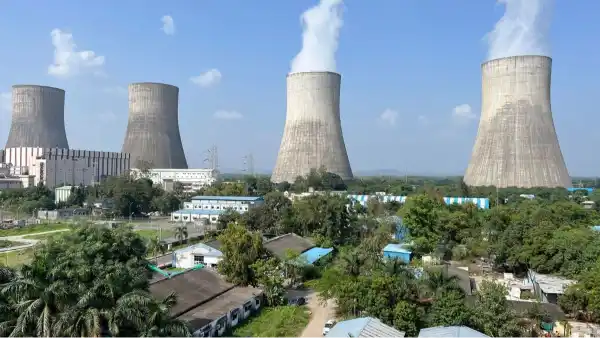
The Nuclear Power Corporation of India Ltd. (NPCIL) has invited bids for the nuclear island package of the 2.8 gigawatt project, with the contract estimated at around ₹28,000 crore. The tender has been issued by Anushakti Vidhyut Nigam Ltd., a joint venture between NPCIL and India’s largest power producer NTPC Ltd.
The project will become India’s first nuclear power facility that is not fully owned by NPCIL, which currently operates the country’s entire nuclear power generation capacity. The plant will include four reactors of 700 MW each based on India’s indigenous pressurised heavy water reactor technology.
Major Step in India’s Nuclear Expansion
The Mahi Banswara project is part of the government’s broader plan to expand nuclear power capacity and reduce dependence on fossil fuels. Nuclear energy currently contributes around 3% of India’s electricity generation, and the government has set an ambitious target to significantly increase atomic power capacity by 2047.
The nuclear island package includes engineering, construction and installation of critical reactor systems and related infrastructure. The reactor section generates heat, which is later used to produce steam for electricity generation through turbines located in the conventional island.
NTPC’s Entry into Nuclear Energy
The project marks NTPC’s first major move into nuclear power as the company looks to diversify beyond its coal-based electricity portfolio and support India’s clean energy transition.
NTPC has set a target of developing 30 GW of nuclear power capacity by 2047 as part of its long-term energy strategy.
The first reactor at Mahi Banswara is expected to begin operations in 2031, with the remaining three units planned to become operational over the following five years.
Private Sector Participation in Nuclear Power
The Indian government has recently opened discussions around increasing private sector involvement in the nuclear energy sector. The move aims to accelerate investment, improve technology development and help achieve long-term clean energy goals.
Industrial groups including Adani Group and Reliance Industries have also announced plans or investments linked to nuclear power, reflecting growing interest in the sector.
The Rajasthan project is expected to play a key role in India’s nuclear expansion journey by combining indigenous reactor technology, public sector expertise and new investment models.
