


A scientific assessment of Kochi’s major water bodies has revealed alarming levels of faecal contamination, with all six monitored locations testing positive for E. coli, an indicator of sewage pollution. The findings have raised serious concerns about public health, environmental safety and the quality of urban water resources.
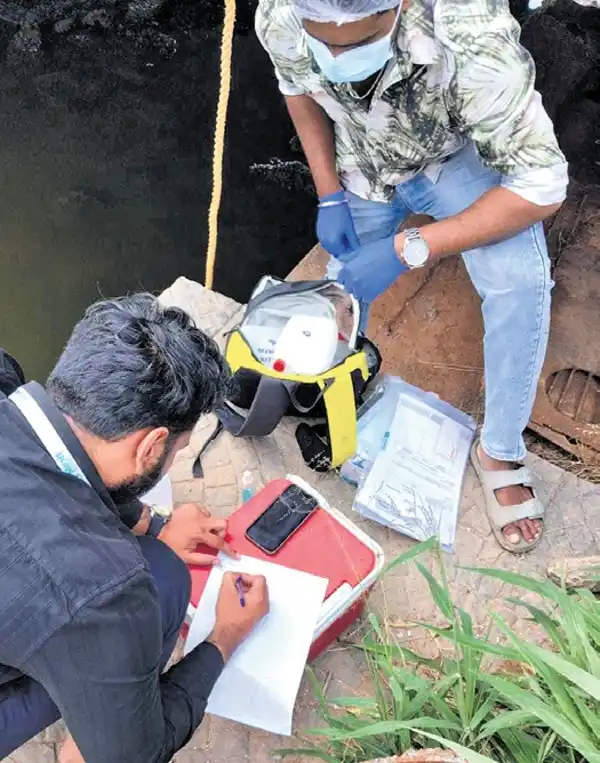
The study, conducted by the Future Kerala Mission (FKM), an initiative of JAIN (Deemed-to-be University), Kochi, analysed water samples collected during May and June 2026. Every location failed microbiological safety standards in both months. Researchers also detected Streptococci bacteria at the Thuthiyoor Vettuveli Ferry site, increasing concerns over the risk of severe infections.
Beyond bacterial contamination, the report highlighted deteriorating physical and chemical water quality. Kakkanad Ferry Terminal recorded turbidity levels nearly ten times the desirable limit, while Pokkali Park showed extremely high levels of total dissolved solids and chloride, making the water unsuitable for recreational or domestic use.
Researchers said the findings underscore the urgent need for a city-wide strategy to tackle untreated wastewater discharge, urban runoff and other pollution sources. The project aims to create a science-based water quality monitoring framework using laboratory testing, GIS mapping and publicly accessible environmental data to support long-term conservation and policy action.
