


For generations of Indians, a cup of hot tea has always been paired with a pack of Parle-G biscuits. Dunked, shared, and often finished in one sitting, the biscuits have been more than a snack — they are part of daily routines, childhood memories, and family traditions.
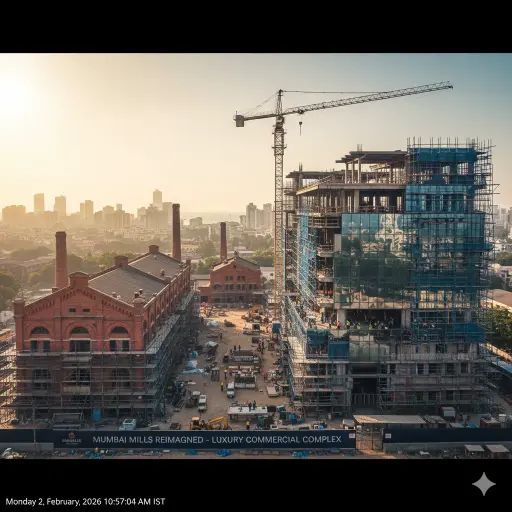
Now, the iconic Parle-G factory in Vile Parle East, Mumbai, is set to be redeveloped, marking the end of an era. The Maharashtra State Environment Impact Assessment Authority recently approved the transformation of the 13.54-acre site into a commercial complex, allowing demolition of 21 old structures. Biscuit production at the facility had already stopped around 2016, but the factory remained a symbol of Mumbai’s industrial heritage.
The identity of the girl on the famous Parle-G wrapper remains a longstanding curiosity. According to company officials, the image was created in the 1960s by artist Maganlal Dahiya and symbolizes innocence, purity, and family values. Though speculation linked the illustration to real personalities over the years, it became a powerful marketing icon in its own right.
Parle Products, founded by Mohanlal Dayal Chauhan, started with candies before shifting to biscuits in 1939. Alongside Parle-G, the company introduced household names like Monaco, Hide & Seek, Krackjack, Melody, and Kismi, securing its place in Indian hearts.
The redevelopment project covers 5.44 hectares (13.45 acres) with a total built-up area of 1,90,360.52 sq m, including 1,21,698.09 sq m under Floor Space Index and 68,662.43 sq m of non-FSI construction. The estimated project cost is ₹3,961.39 crore. The new commercial complex will feature four buildings, each with two basement levels. Floors will accommodate retail outlets, restaurants, food courts, offices, and parking.
The Parle-G factory’s transformation is part of Mumbai’s wider shift from manufacturing to a service-driven economy. Since the 1990s, shuttered textile mills and factories across Central and suburban Mumbai have been redeveloped into mixed-use complexes, luxury housing, IT parks, and commercial hubs. Landmark projects like High Street Phoenix set the template for urban regeneration, blending offices, retail, and entertainment spaces.
Beyond Vile Parle, more industrial land across Mumbai — including railway property, Mumbai Port Trust parcels, and salt pans — is poised for redevelopment. As industries move to satellite cities, prime urban land is being monetised, reshaping the skyline and redefining the city’s economic focus.
