


India and Israel are set to deepen their rapidly expanding strategic ties, with Prime Minister Narendra Modi likely to visit Israel in February, Israel’s Ambassador to India, Reuven Azar, has indicated. The visit, if it occurs as expected, would come amid a shifting geopolitical landscape in West Asia and at a time of increasing convergence between the two nations on defence, technology, security, trade, and innovation.
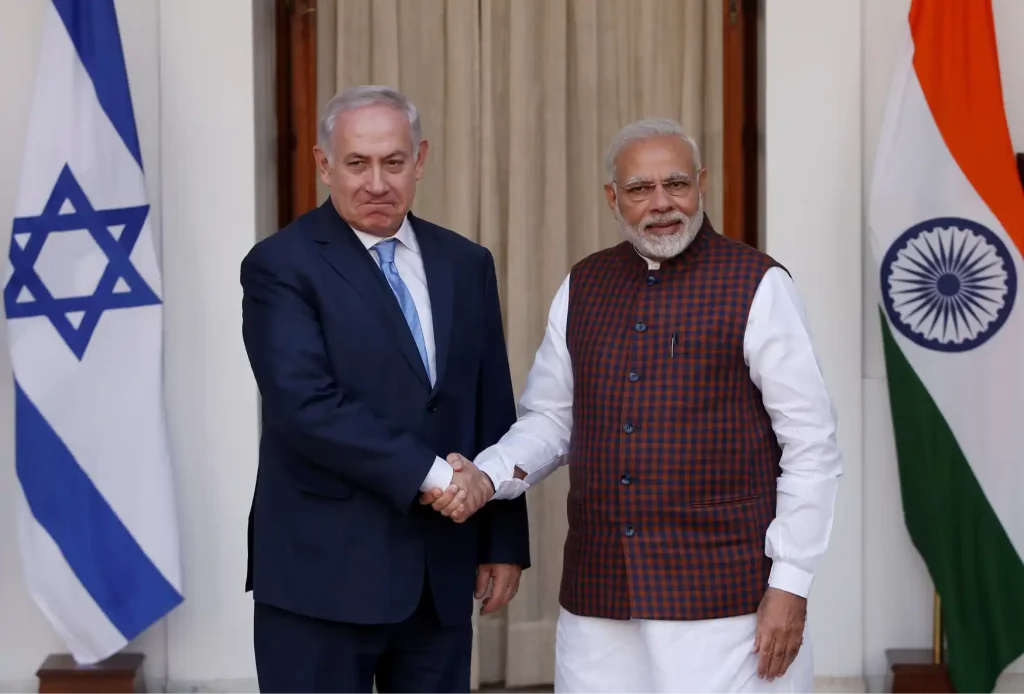
Ambassador Azar confirmed to NDTV that Israeli Prime Minister Benjamin Netanyahu has formally invited PM Modi, and preparations are underway to facilitate the trip at the earliest opportunity. Diplomatic sources suggest February is a potential window, pending finalisation of schedules and security arrangements.
The proposed visit would build on recent high-level exchanges between the countries, including official visits by External Affairs Minister S. Jaishankar and Commerce & Industry Minister Piyush Goyal. Cooperation spans defence, counter-terrorism, agriculture, water management, semiconductors, cybersecurity, space, and technology innovation.
Over the past decade, India and Israel have strengthened ties, with defence and security emerging as central pillars. Israel supplies India with critical defence technologies, including missiles, drones, surveillance systems, and air defence platforms. Both nations have also expanded collaboration in cyber security, space exploration, and innovation ecosystems.
Economic and people-to-people ties are also deepening, with negotiations on a free trade agreement and joint initiatives in start-ups, fintech, AI, food security, and clean water technologies. India sees Israel as a key partner in its West Asia strategy, balancing regional relationships while focusing on trade, connectivity, energy security, and the welfare of the Indian community. For Israel, India is a major strategic and economic partner in Asia.
PM Modi’s previous visit to Israel in 2017 marked the first by an Indian Prime Minister and laid the groundwork for a more open and expansive partnership. If the February visit goes ahead, it is expected to cover both bilateral cooperation and broader regional and global developments, signalling continued strategic alignment and a shared commitment to institutionalising the partnership.
