


India is on the verge of achieving a major milestone in space technology by becoming the second country in the world to demonstrate on-orbit satellite refuelling, a capability currently showcased only by China. This advancement is tied to the upcoming launch of AyulSAT, a 25-kg technology demonstration satellite developed by space start-up OrbitAid Aerospace, aboard the Polar Satellite Launch Vehicle (PSLV-C62) from ISRO’s Satish Dhawan Space Centre.
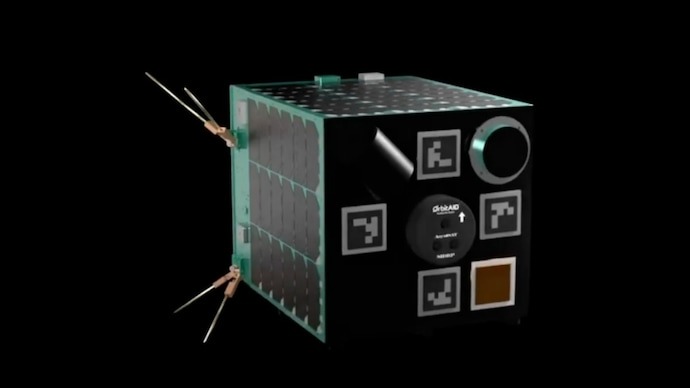
The mission aims to test internal propellant transfer, power distribution and data transfer using OrbitAid’s proprietary Standard Interface for Docking and Refuelling Port (SIDRP), a critical step toward establishing in-orbit servicing and refuelling capabilities that can extend the operational life of satellites. If successful, this would mark a pivotal moment for India’s space sector, reducing the frequency of costly satellite replacements and contributing to global space sustainability efforts.
OrbitAid’s approach begins with demonstrating fuel transfer within the satellite itself, with plans later this year to launch a chaser satellite that docks with AyulSAT and performs actual docking and refuelling operations, a foundational element of future on-orbit servicing missions.
Experts say mastering on-orbit refuelling could reshape how satellites are managed in space by enabling life extension, reduced debris and improved mission economics, positioning India among a select club of nations advancing space infrastructure beyond just launches.
This effort also highlights the growing role of Indian private industry in frontier space technologies and aligns with broader national goals to amplify indigenous capabilities in advanced space operations.
