


Novartis is significantly strengthening its footprint in India, establishing the country as a key global centre for biomedical research and drug development beyond its Basel headquarters. India is one of the few markets where Novartis combines biomedical research with a full-spectrum development and operations presence.
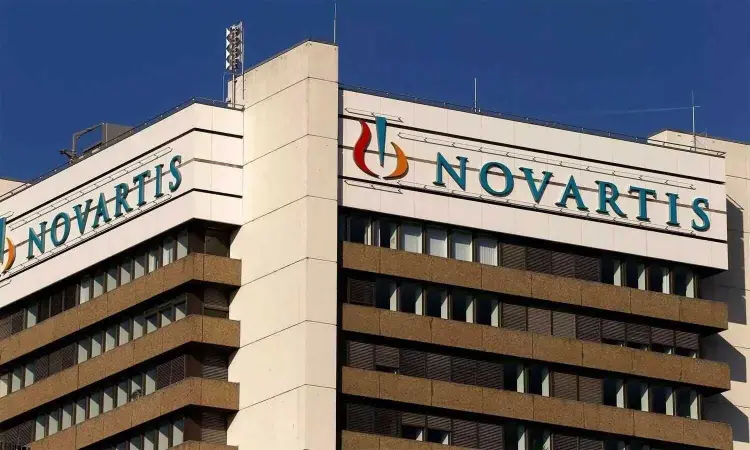
The company operates its largest pharma Global Capacity Centre (GCC) in India and has expanded its workforce over recent years to boost early-stage research. India now hosts more than 9,000 Novartis employees, around 11% of the global workforce. Indian teams contribute to nearly every molecule that reaches late-stage development, covering clinical operations, biostatistics, regulatory affairs, and advanced analytics. This reflects a shift from simple cost efficiency to high-value, science- and data-driven innovation.
The Novartis Corporate Centre (NOCC) in Hyderabad has evolved over two decades from a support hub into the company’s largest global corporate centre. Today, it houses biomedical research, drug development, finance, HR, commercial operations (US and international), strategy, digital platforms, technology, manufacturing, and supply functions.
“NOCC Hyderabad is no longer about cost efficiency alone. It is where Novartis integrates science, digital, finance, technology platforms, and global services to drive transformation,” said Dr. Sadhna Joglekar, Senior Vice President and Head of the Development India Hub. Around 2,800 employees are focused on development across Hyderabad and Mumbai, alongside large teams in operations, analytics, and finance.
Novartis’ commitment to India continues to grow through Novartis Healthcare Private Limited (NHPL), even as Novartis AG reviews its stake in the listed Novartis India Limited (NIL). The GCC’s annual operating cost in India is approximately $400 million, and the review of NIL does not impact the GCC.
India is now fully integrated into Novartis’ global drug development model. Teams in India contribute to chemistry, analytics, biostatistics, data science, and clinical operations across global projects. Nearly every late-stage molecule involves Indian teams, whether through work at Genome Valley, clinical trial support, or regulatory documentation.
Several high-profile medicines demonstrate this integration. India-based teams have contributed to inclisiran, the siRNA therapy for lowering LDL cholesterol, and to lutetium-177 vipivotide tetraxetan, a radioligand therapy for metastatic prostate cancer. They have also supported clinical operations and biostatistics for remibrutinib, recently approved in the US for chronic spontaneous urticaria.
Initially attracted to Hyderabad by scientific talent and the Genome Valley ecosystem, Novartis now values India for its combination of scientific expertise, digital capability, and AI-driven data analytics, allowing the company to manage complex, high-value tasks across the development pipeline.
The hub now supports cutting-edge areas including radioligand therapy, xRNA, cell and gene therapies, advanced analytics, AI-driven protocol design, and digital or hybrid trials.
“India is critical because it offers scale, capability, and ecosystem advantages that are hard to replicate elsewhere,” Dr. Joglekar noted. She added that India is not about low-cost work, but about handling complex, high-value projects across Novartis’ four priority therapeutic areas—cardiovascular, renal and metabolic, oncology, immunology, and neuroscience—leveraging five advanced technology platforms: Chemistry, Biotherapeutics, Cell and Gene Therapy, Radioligand Therapy, and xRNA.
