


UPI payments have become a routine part of life for millions of Indians, offering instant money transfers within seconds. But that instant speed may soon change slightly, as the Reserve Bank of India is reportedly considering a proposal to introduce a short delay on certain high-value digital transactions to reduce rising cases of online fraud.
The basic idea is to create a brief pause that allows users to stop a payment if something seems suspicious.
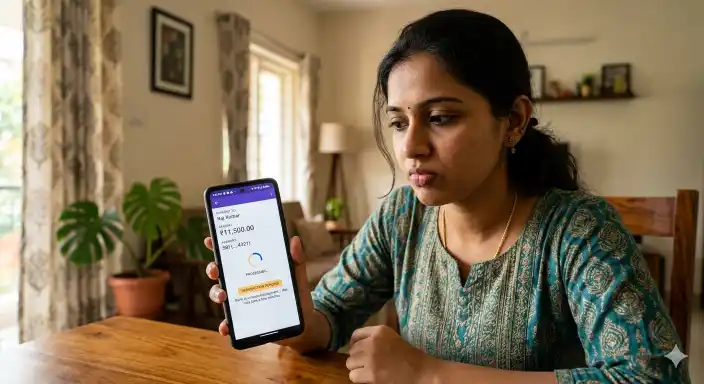
How the proposed system would work
Under the proposal, account-to-account transfers above ₹10,000, especially through UPI, may not be processed instantly. Instead, there could be a holding period of up to one hour before the money reaches the recipient.
During this time, the amount would be deducted from the sender’s account but kept on hold temporarily. This window is meant to give users the chance to cancel the transaction if they realise they have been misled or made a mistake.
Banks would also carry out automated fraud checks in the background. If a transaction appears unusual, such as a large transfer to a new beneficiary, users may receive alerts asking for confirmation. In some cases, additional approval may be required before the payment is completed.
Why the RBI is considering this move
The proposal comes in response to a sharp rise in digital payment fraud, especially cases where users are tricked into authorising transactions themselves.
RBI data suggests that while transactions above ₹10,000 account for around 45% of fraud cases by number, they represent nearly 98.5% of total money lost. This makes high-value transfers the most vulnerable segment.
The goal is to add an extra layer of protection without affecting the overall convenience of digital payments.
Additional safeguards for senior citizens
The proposal also includes stronger protections for senior citizens and persons with disabilities. For users aged 70 and above, high-value transfers above ₹50,000 may require approval from a trusted contact.
This is aimed at reducing losses caused by social engineering scams, where victims are manipulated into sending money voluntarily.
Users may still be allowed to opt out of this system, although with additional warnings and possible delays.
Impact on regular payments
Everyday transactions such as merchant payments, EMIs, subscriptions, and other routine payments are expected to remain unaffected. Users may also be able to whitelist trusted contacts for instant transfers.
Next steps
At this stage, the proposal is still under review. The RBI has invited public feedback until May 8 before taking a final decision.
If implemented, the move could slightly slow down some digital payments but significantly improve safety in India’s fast-growing digital payment ecosystem.
