


Sudhanshu Mani, former GM of the Integral Coach Factory (ICF) in Chennai, recalls a pivotal moment that inspired India’s semi-high-speed Vande Bharat Express. While investigating a persistent EMU train door issue, an elderly shop worker handed him a sketch of a streamlined train, telling him “this is your job.” That encounter sparked Mani’s vision for a modern, efficient, and aesthetically superior train.
At ICF, Mani assembled a passionate team of nearly 500 engineers and designers who shared his ambition. A project that normally would take 36–42 months was completed in a record 18 months, resulting in the Vande Bharat Express, built at Rs 97 crore—about a third the cost of importing a similar train. Over 80% of its components were made in India, symbolising the country’s technological progress.
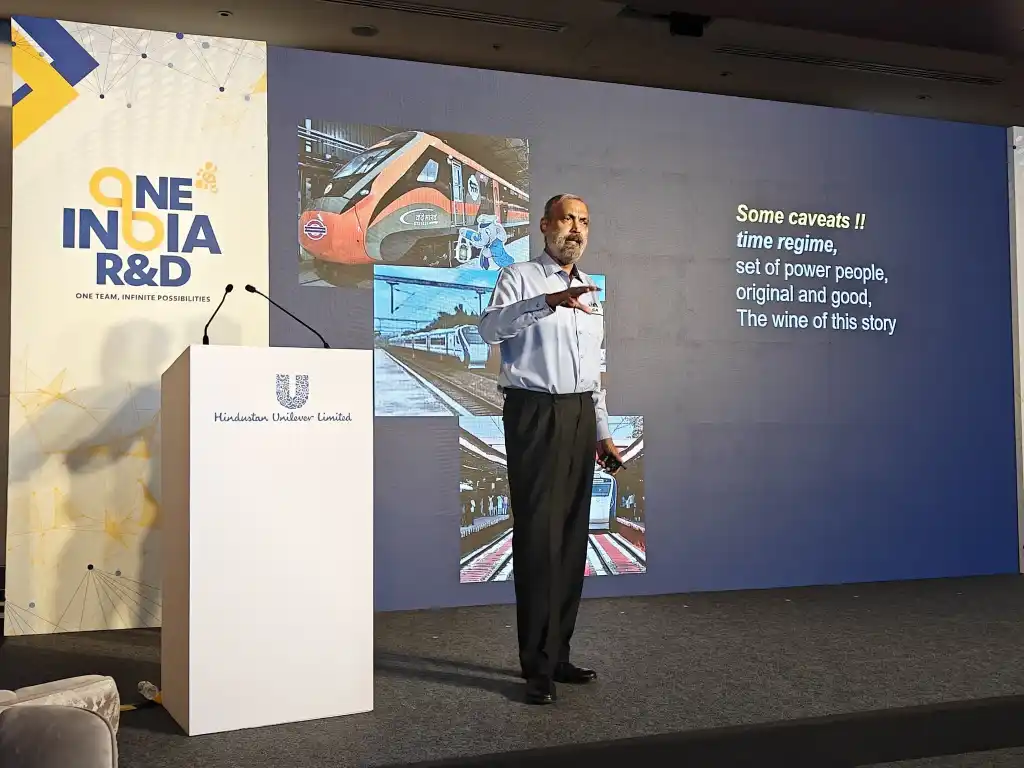
Mani credits passion, commitment, and hard work for the train’s success but notes the importance of aligning stakeholders early to avoid resistance. Despite challenges like bureaucratic hurdles, false vigilance cases, and detractors, the project captured public imagination and set new benchmarks in Indian railways.
After retirement, Mani lives in Lucknow, indulging his artistic passions while reflecting on 37 years in Indian Railways. He highlights ongoing challenges: fiscal discipline after budget merger, slow first-and-last mile freight connectivity, overcrowded passenger travel, and India’s lag in adopting lighter, aluminium-based trains. He also stresses safety improvements, like Kavach and AI-based monitoring, as crucial next steps.
Despite criticisms, Mani emphasizes his lifelong commitment: he remains a “railway man for life,” proud of the Vande Bharat and hopeful for continued modernization in India’s rail sector.
